

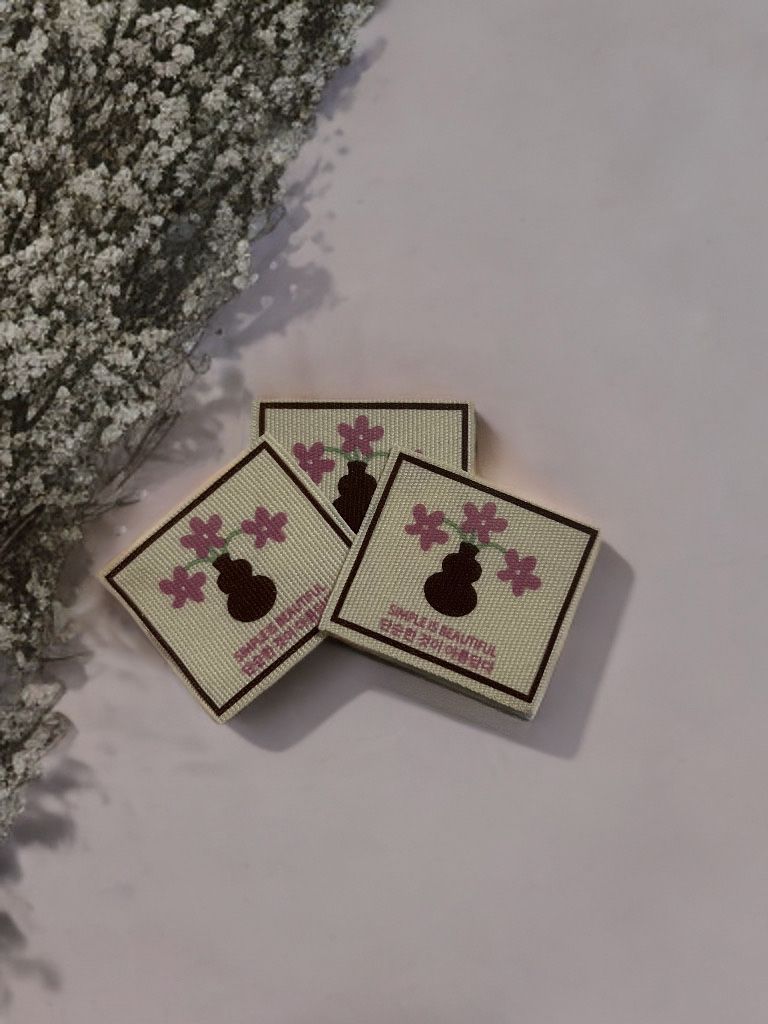
In the textile industry, labels are one of the most important elements that represent a product’s identity. In recent years, printed labels have rapidly replaced traditional woven and hang tags, offering significant advantages for both manufacturers and brands. The use of printed labels has become increasingly popular, especially in T-shirts, sweatshirts, underwear, and baby clothing.
What Is a Printed Label?
A printed label is a type of label applied directly onto the fabric of a garment using printing techniques such as screen printing, heat transfer, or digital printing. It typically includes information such as brand name, size, fabric composition, and country of origin, becoming an integral part of the garment.
Advantages of Using Printed Labels
1. Comfort and User Experience
Printed labels eliminate the irritation and discomfort caused by traditional sewn-in labels. They provide maximum comfort, especially for babywear, childrenswear, and underwear, where skin sensitivity is a priority.
2. Clean and Aesthetic Appearance
Since printed labels are integrated into the garment, they are invisible from the outside and do not disrupt the overall design. This creates a clean, modern look and enhances the perceived quality of the brand.
3. Strengthens Brand Identity
Printed labels can be fully customized with logos, fonts, and brand-specific designs. This helps increase brand recognition and gives products a more professional appearance.
4. Durability
When applied using the right printing technique and high-quality inks, printed labels are highly resistant to washing and daily wear. Fading, cracking, and peeling are minimized.
5. Production and Cost Efficiency
Compared to woven or sewn labels, printed labels:
-
Are faster to apply
-
Do not require sewing
-
Reduce waste and production errors
These advantages provide significant cost savings, especially for mass production.
6. Eco-Friendly Solution
Printed labels eliminate the need for additional label materials and sewing threads. This results in less waste and supports a more sustainable and environmentally friendly production process.
7. Versatile Use
Printed labels can be used not only for branding but also to display:
-
Size information
-
Fabric composition
-
Country of origin
-
Collection or product details
This makes them a highly versatile labeling solution.
Which Products Are Suitable for Printed Labels?
-
T-shirts and sweatshirts
-
Underwear
-
Baby and children’s clothing
-
Sportswear
-
Home textiles
In short, printed labels are ideal for all textile products that come into direct contact with the skin.
Conclusion
Printed labels offer a modern labeling solution that combines comfort, aesthetics, durability, and cost efficiency. For textile brands, they enhance customer satisfaction while optimizing production processes. Today, printed labels are no longer just an option but a necessity in the textile industry.