From Design to Customer
A product’s story is not limited to its production process. In fact, this story often begins with a small detail: the label. Woven labels, in particular, are powerful elements that carry a brand’s identity and communicate much more than what meets the eye. So, how does the journey of a woven label begin, and what stages does it go through before reaching the customer?
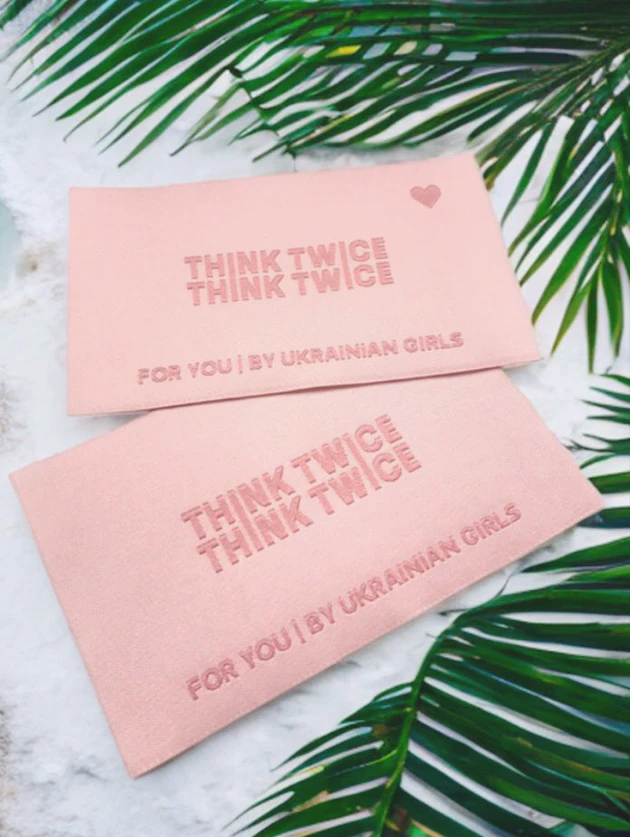
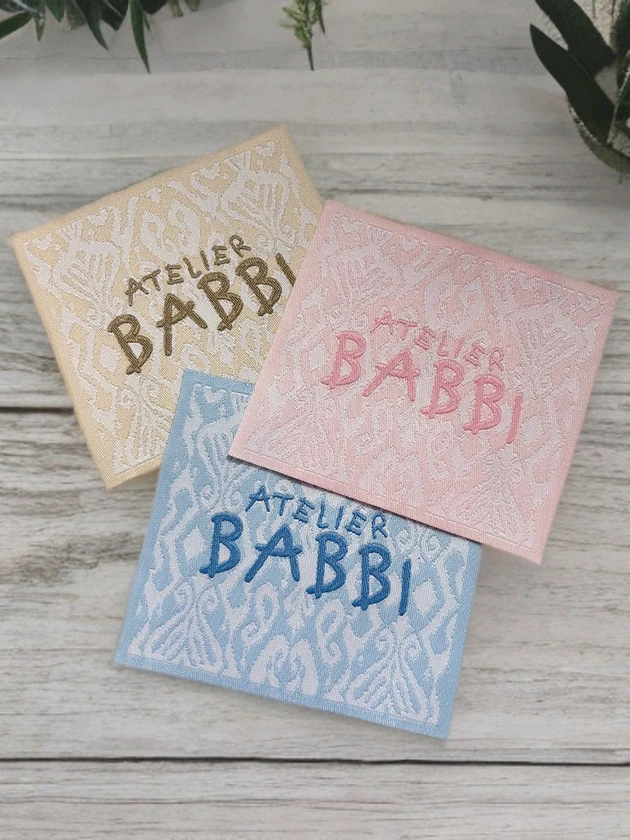
Idea and Design Stage
Everything starts with an idea. Brand owners aim to create an identity that represents their products. At this point, the label reflects the brand’s character through elements such as logo, color, and typography.
A well-designed woven label should prioritize:
- Readability
- Color harmony
- Brand identity
- Minimal yet impactful details
Because a label is one of the first connections a customer makes with a product.
Choosing the Right Material
Once the design is complete, the next step is selecting the right materials. The type of yarn and fabric used in woven labels directly affects both appearance and durability.
Common options include:
- Damask: Ideal for fine details, soft and high-quality
- Satin: Offers a shiny and elegant look
- Taffeta: More rigid and cost-effective
At this stage, the product’s intended use plays a key role. For example, softer materials are preferred for baby clothing, while durability is more important for outerwear.
Production Process
After finalizing the design and materials, the labels are produced on weaving machines. This is where the design comes to life.
During production:
- Threads are carefully arranged
- Color transitions are precisely executed
- The pattern is accurately replicated
Afterward, the labels are cut, folded, and prepared for use. Although it may seem like a small detail, this process requires high precision.
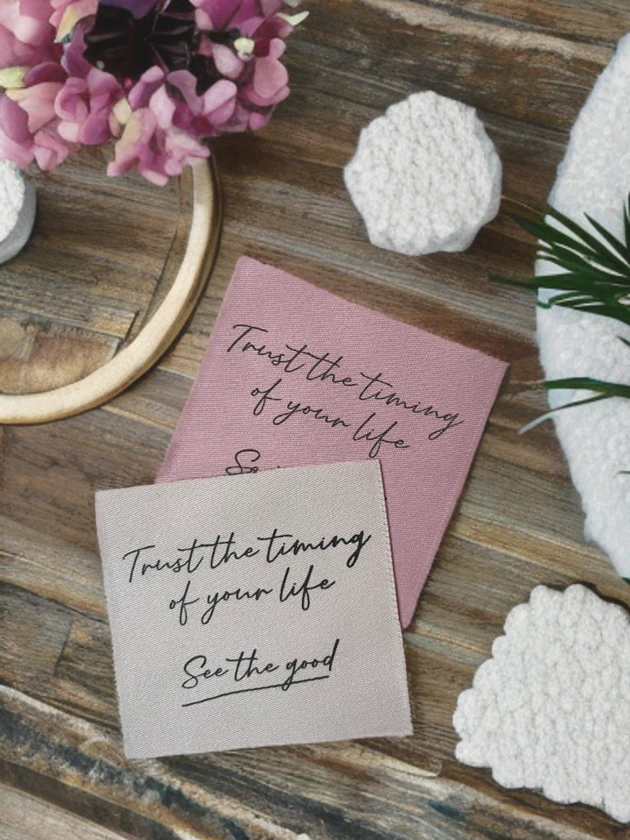
Integration into the Product
Once ready, the labels are attached to the products. This is the stage where the label becomes functional.
Labels are typically placed:
- On the neckline
- On the side seam
- On the exterior (to highlight the brand)
Proper placement is important for both comfort and aesthetics.
Meeting the Customer
And finally, the most important moment: the first contact with the customer.
When a customer picks up a product, they notice the label. That small woven piece:
- Provides insight into the brand’s quality
- Builds trust
- Elevates the product beyond being ordinary
A high-quality woven label leaves a lasting impression in the customer’s mind.
The Invisible Impact of Labels
Although often overlooked, labels are one of the most powerful tools of branding. A well-designed woven label:
- Increases brand recognition
- Adds a premium feel to the product
- Strengthens customer loyalty
In short, a label does more than provide information—it tells a story.
Conclusion
The journey of a woven label is much more than a simple production process. From design to production, from integration into the product to reaching the customer, every stage reflects the value of the brand.
Remember: sometimes the smallest details make the biggest difference.