/

26 October 2023

The Role of Labels in the Textile World: How to Improve Your Brand?

role of textile labels should be evaluated through its application, material, design and production details before making the final choice.

role of textile labels

The textile world is a large industry covering many sectors, from clothing to home textiles. Promotion and brand identity of products is an important factor when presented to the consumer. This is where the role of labels comes into play. Labels have critical functions such as identifying products, providing information and increasing brand value. The textile industry is an area where brands are looking for creative and eye-catching ways to stand out in a competitive market. In this article, we will examine in detail the importance and role of labels in the textile industry.

Textile Industry and Labels

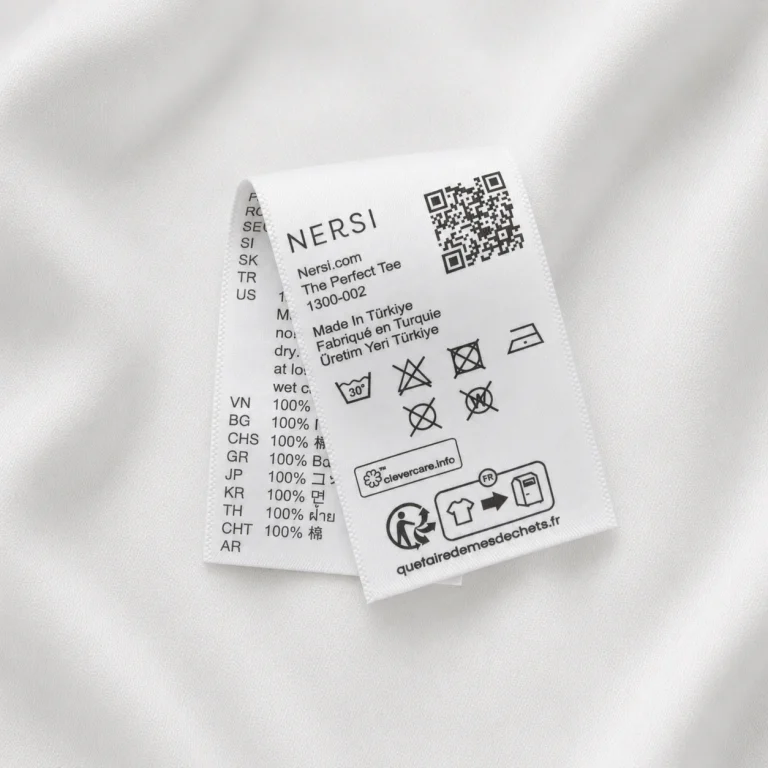
Labels provide consumers with important information about the product. The informations that they have includes details such as product composition, care instructions, manufacturer information and size. Consumers carefully examine this information before purchasing the product and make their decisions based on this information. Therefore, it is critical that labels contain accurate and complete information to gain the trust of consumers.
role of textile labels

The Importance of Labels

Labels on textile products not only contain information about a product but also reflect the identity of the brand. Consumers evaluate the quality and origin of the product through these labels.

Functions of Labels

Labels must not only be informative, at the same time they need to meet legal requirements. The information they contain should include critical details such as the product’s components, care instructions, and size.
role of textile labels

Environmental Impacts of Labels

Today, environmental issues are of great importance. The textile industry has a huge impact on environmental issues such as consumption of natural resources and generation of waste. In this context, the material selection and design of the labels are also important. Using recycled materials is part of waste reduction efforts. Additionally, the size and design of labels can also help prevent unnecessary use of packaging.

Brand Development Process

The Role of Labels

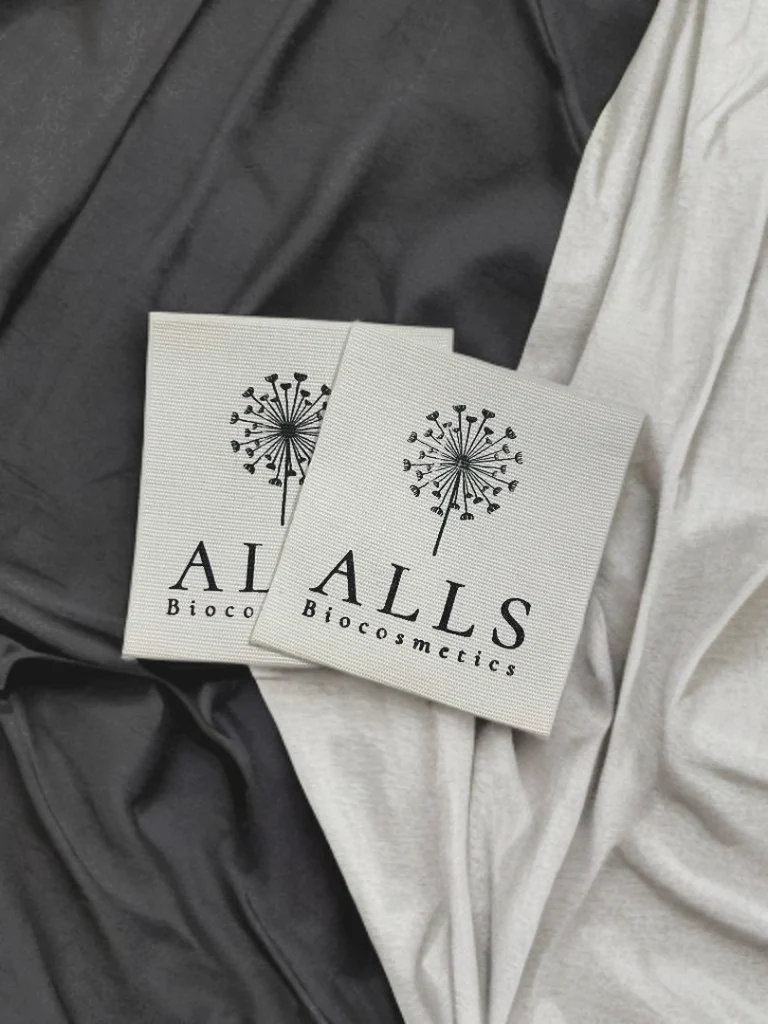
Labels not only provide product information, they also reflect brand identity. Brands can express their own style and values through labels. Every detail, from color choice to font, reflects the personality of the brand. Customers may choose a product not only for its functionality but also for its brand identity and aesthetics. That’s why brands pay great attention to the design of labels.

Brand Identity and Image

Brand identity defines the values and characteristics that the brand represents. Well-designed labels should be compatible with the brand identity.

Label Selection and Design

Material Selection

Material selection of labels is important. Durable materials can extend the life of the product and increase sustainability.

Importance of Design

The design of labels should have visual appeal and descriptive power. Colors, fonts and graphics should convey the brand message.

Sustainability and Labels

Environmental Impacts

Sustainability is an important issue that modern consumers care about. Labels’ environmental impacts should reflect the brand’s sustainability efforts.

Consumer Preferences

Consumers pay attention to the information on the labels when choosing sustainable products. Therefore, labels should match consumer preferences. Labels are an integral part of the brand development process in the textile world. With the right label strategies, you can increase brand awareness, gain customer loyalty and achieve sustainability goals.

When evaluating role of textile labels, appearance should be considered together with product compatibility, use conditions and production details. Careful planning reduces unnecessary revisions and keeps the brand language consistent.

Planning the Right role of textile labels Solution

Begin by defining the product dimensions, application area, audience and message. Design decisions should reflect real use conditions as well as visual preferences.

A balanced combination of color, type size, material and application improves readability. A production review prevents small details from becoming larger issues in a full run.

Quality and Application Details

Quality should not be judged only by the first appearance. Transport, storage, contact, washing or daily use conditions should be considered according to the product.

Dimensions, alignment, color balance and readability should be checked on a sample or digital proof. A clear approval process improves communication between the brand and manufacturer.

What Should You Compare Before Choosing?

When selecting role of textile labels, compare material, application, quantity, delivery schedule and expected service life instead of using price as the only criterion.

Explore related Yenel Label options on our product and category page, and read independent guidance about responsible production and standards from this industry resource.

Other Blog Posts