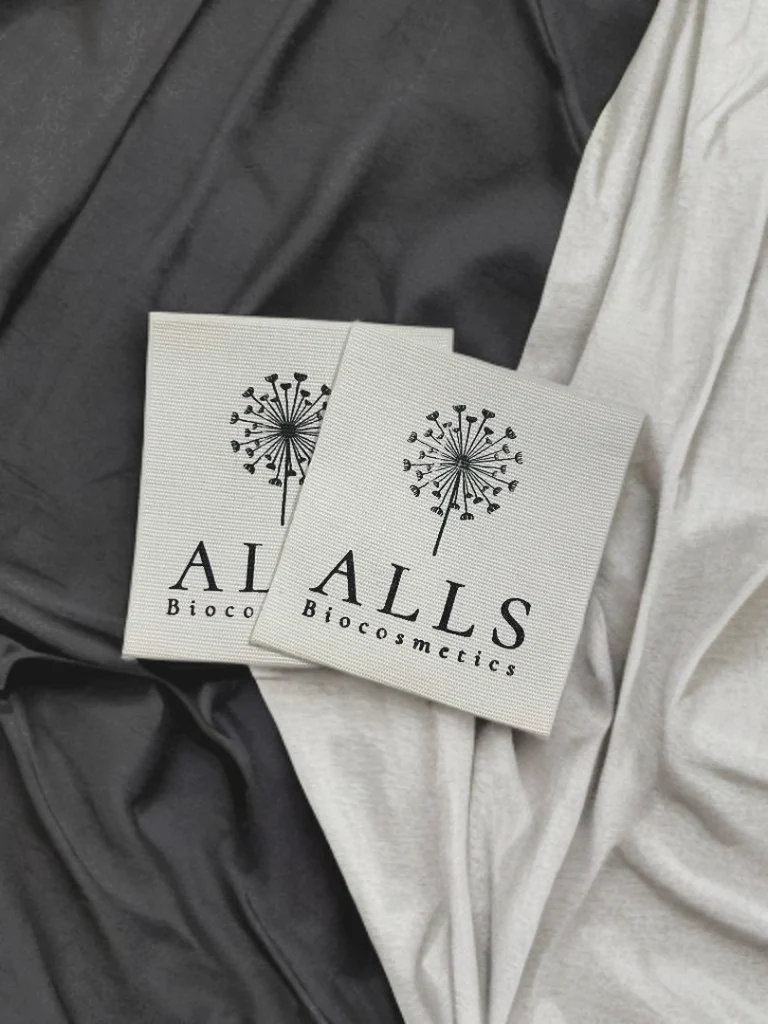
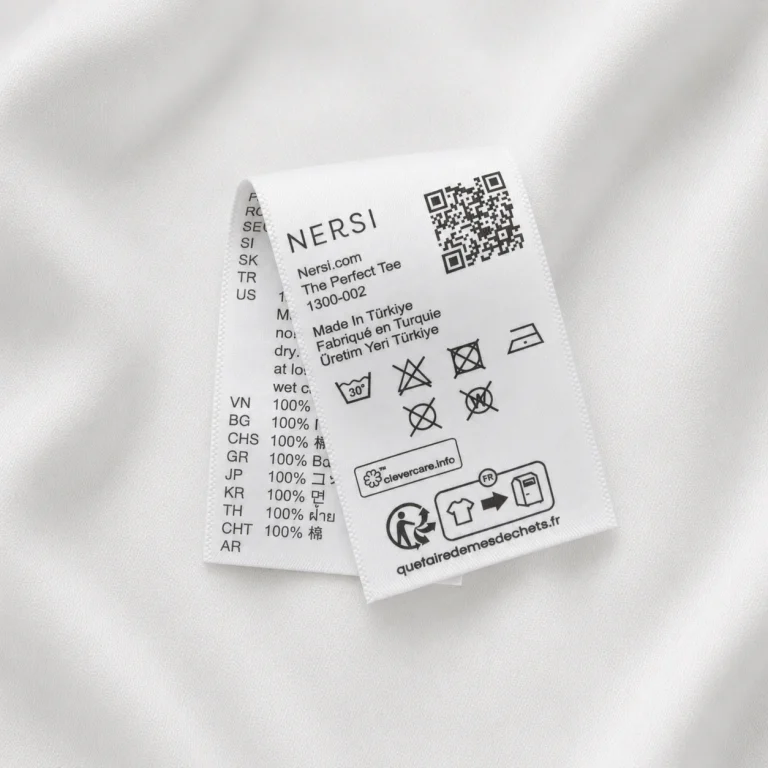
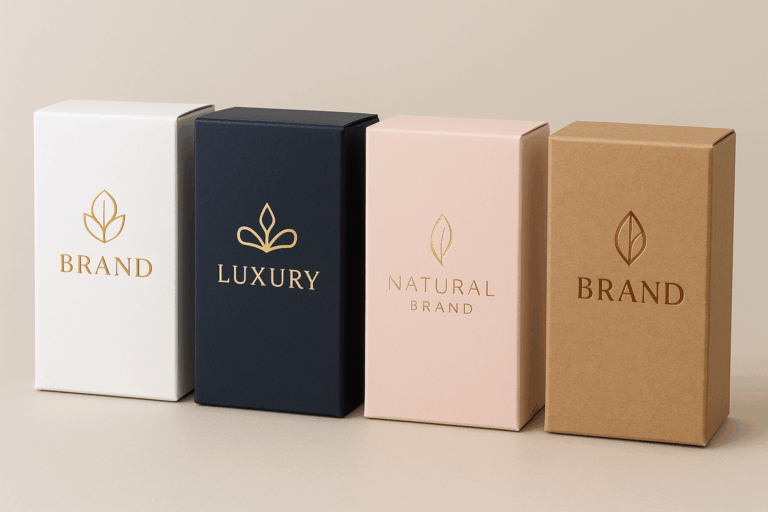
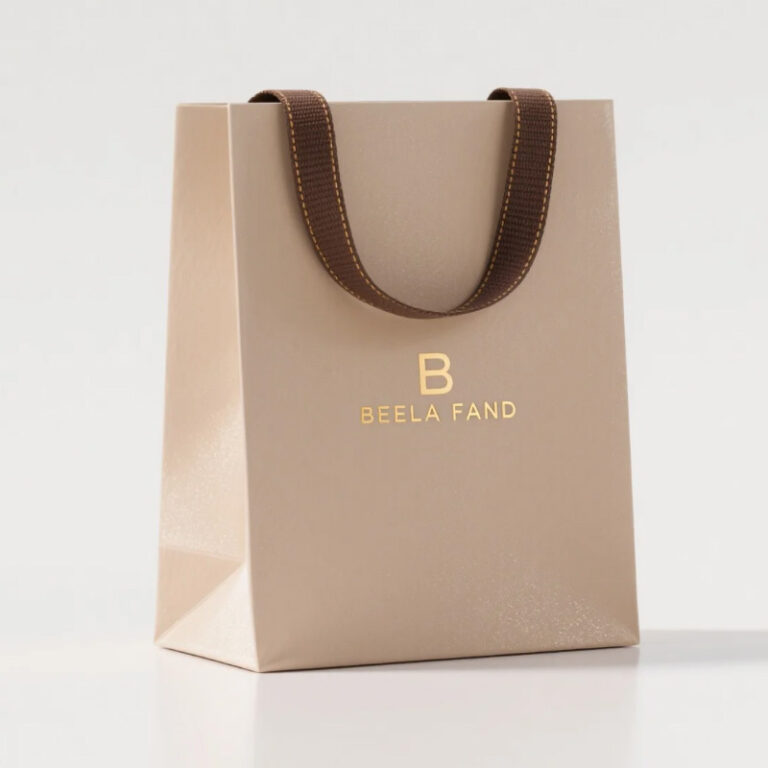
The main goal of marketing is to introduce products clearly and influence purchasing decisions. While brands invest in digital advertising and social media, the marketing power of printed labels on the product itself is sometimes overlooked.
A printed label is one of the few brand messages that stays with the product. It can communicate identity, useful information and value at the exact moment a customer is making a choice.
Printed Labels Are Part of Brand Identity
Colors, logo, typography and layout make a product recognizable. A professionally designed printed label creates visual consistency and helps a brand stand apart from similar products.
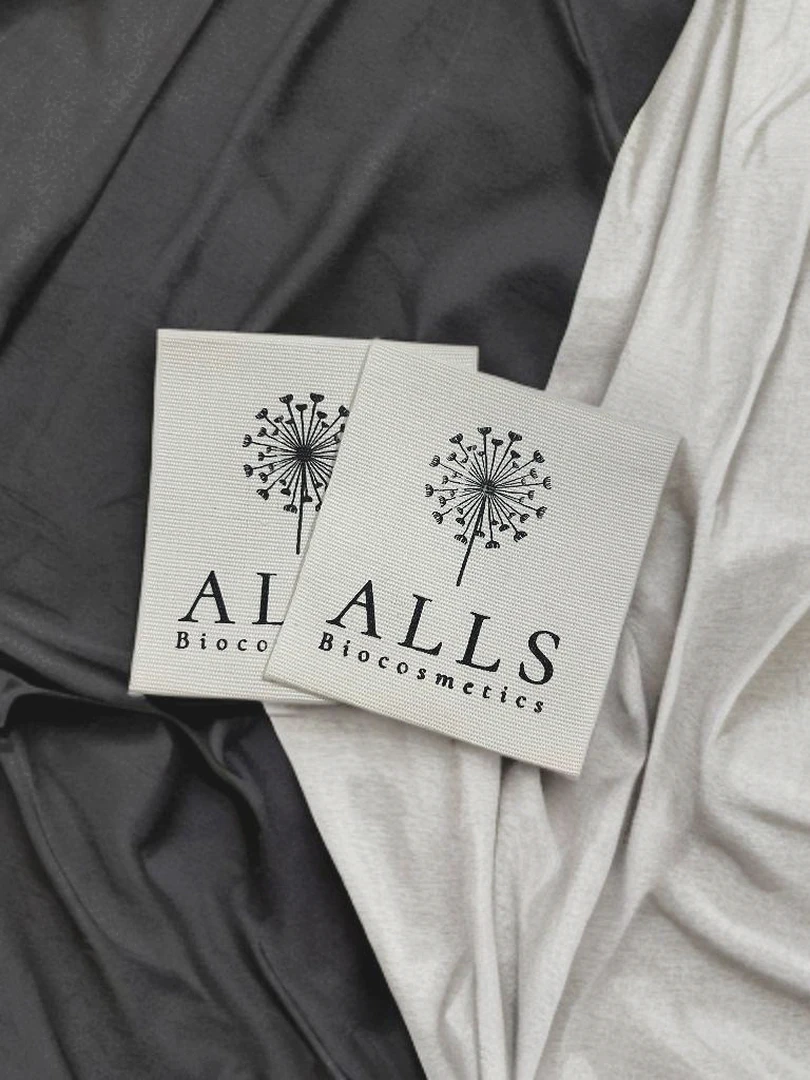
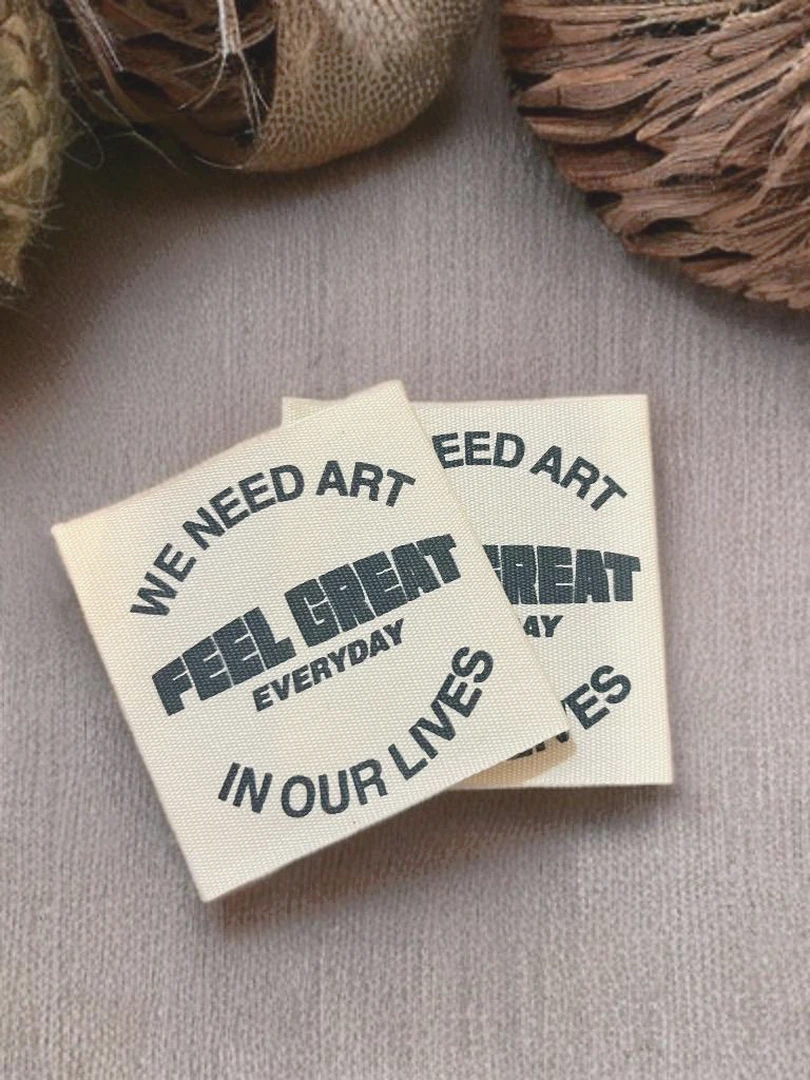
Printed Labels Capture Attention
On a crowded shelf, the label is often noticed before the product is examined. Clear hierarchy, balanced colors and quality printing can encourage customers to pick up the product and learn more.
They Support Purchasing Decisions
Printed labels can present ingredients, product features, instructions and advantages in an easy-to-read format. Accurate information reduces uncertainty and gives customers confidence.
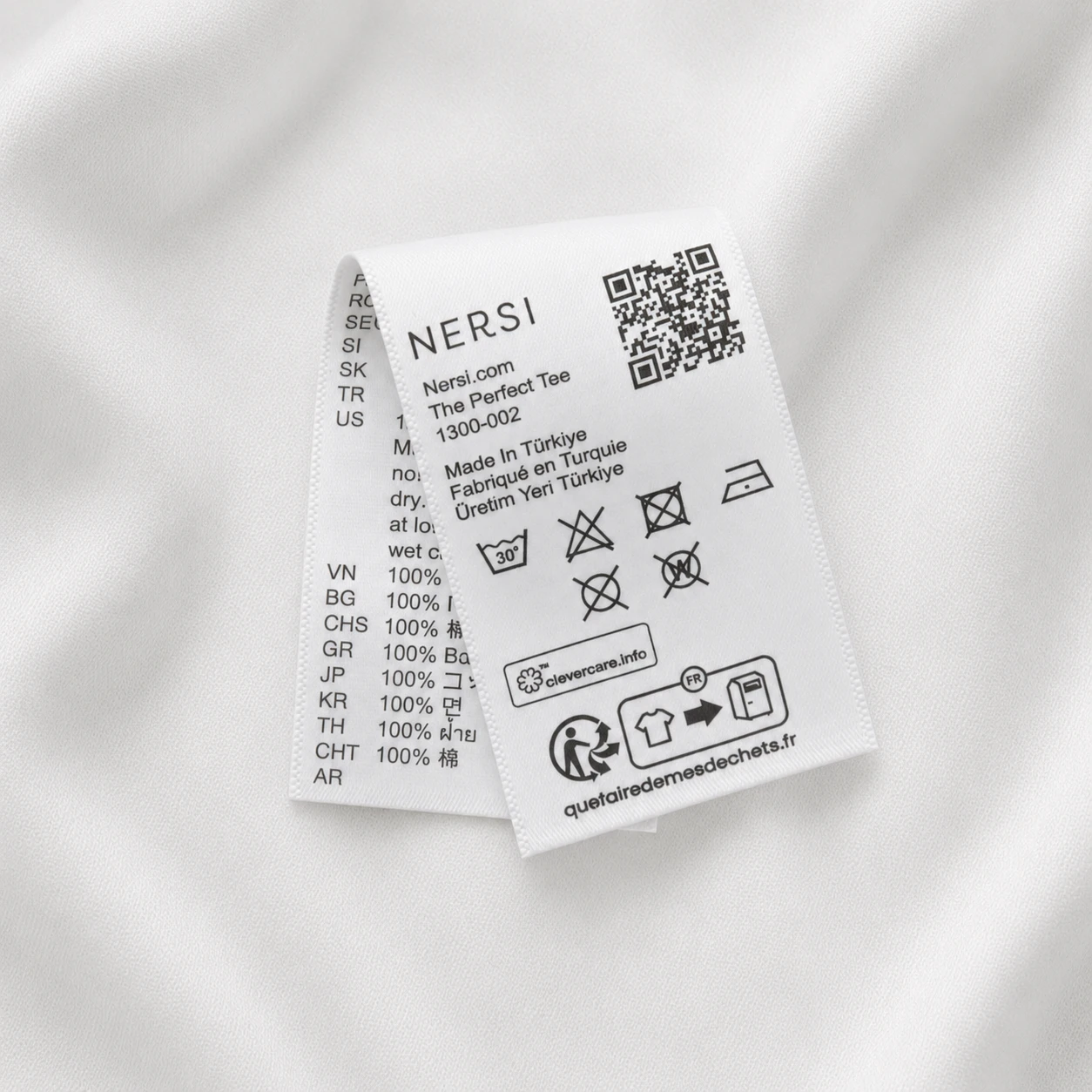
A Direct Channel for Marketing Messages
Campaigns, new product messages and sustainability information can be placed directly on the label. This turns packaging into an active communication channel rather than a passive surface.
Quality Builds Customer Trust
Readable printing and a suitable material create a professional impression. This is especially important in food, cosmetics, health and chemical products, where clarity and reliability affect trust.
When material, printing and design work together, printed labels become a practical part of the marketing strategy and help build long-term brand recognition.
When evaluating printed labels, appearance should be considered together with product compatibility, use conditions and production details. Careful planning reduces unnecessary revisions and keeps the brand language consistent.
Planning the Right printed labels Solution
Begin by defining the product dimensions, application area, audience and message. Design decisions should reflect real use conditions as well as visual preferences.
A balanced combination of color, type size, material and application improves readability. A production review prevents small details from becoming larger issues in a full run.
Quality and Application Details
Quality should not be judged only by the first appearance. Transport, storage, contact, washing or daily use conditions should be considered according to the product.
Dimensions, alignment, color balance and readability should be checked on a sample or digital proof. A clear approval process improves communication between the brand and manufacturer.
What Should You Compare Before Choosing?
When selecting printed labels, compare material, application, quantity, delivery schedule and expected service life instead of using price as the only criterion.
Explore related Yenel Label options on our product and category page, and read independent guidance about responsible production and standards from this industry resource.