cardboard tag uses
Cardboard tags are widely used in many industries as promotional and informational tools thanks to their functional and aesthetic qualities. These tags, which can be produced in various sizes, shapes, and designs, not only help define the identity of a product but also enhance a brand’s visual communication. Below are the main usage areas of cardboard tags:- Textile and Clothing Industry
- Brand logo
- Size information
- Price
- Product features
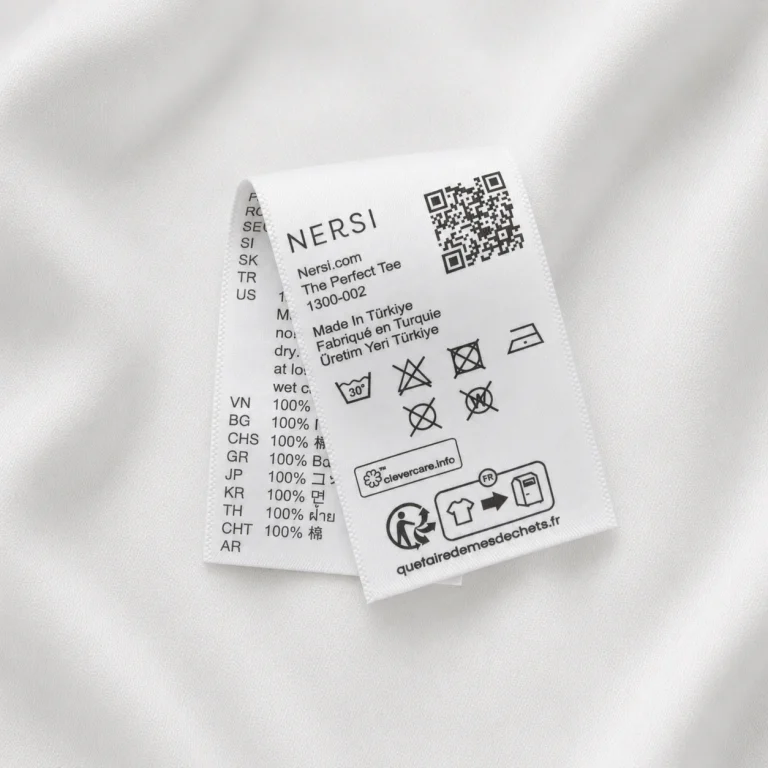
- Washing and care instructions
- Footwear and Bag Products
- Gift and Handmade Products
- Cosmetics and Personal Care Products
- Jewelry and Accessories
- Stationery and Packaging Products
- Furniture and Home Décor Products
When evaluating cardboard tag uses, appearance should be considered together with product compatibility, use conditions and production details. Careful planning reduces unnecessary revisions and keeps the brand language consistent.
Planning the Right cardboard tag uses Solution
Begin by defining the product dimensions, application area, audience and message. Design decisions should reflect real use conditions as well as visual preferences.
A balanced combination of color, type size, material and application improves readability. A production review prevents small details from becoming larger issues in a full run.


Quality and Application Details
Quality should not be judged only by the first appearance. Transport, storage, contact, washing or daily use conditions should be considered according to the product.
Dimensions, alignment, color balance and readability should be checked on a sample or digital proof. A clear approval process improves communication between the brand and manufacturer.
What Should You Compare Before Choosing?
When selecting cardboard tag uses, compare material, application, quantity, delivery schedule and expected service life instead of using price as the only criterion.
Explore related Yenel Label options on our product and category page, and read independent guidance about responsible production and standards from this industry resource.