
genuine leather should be evaluated through its application, material, design and production details before making the final choice.
genuine vs faux leather labels
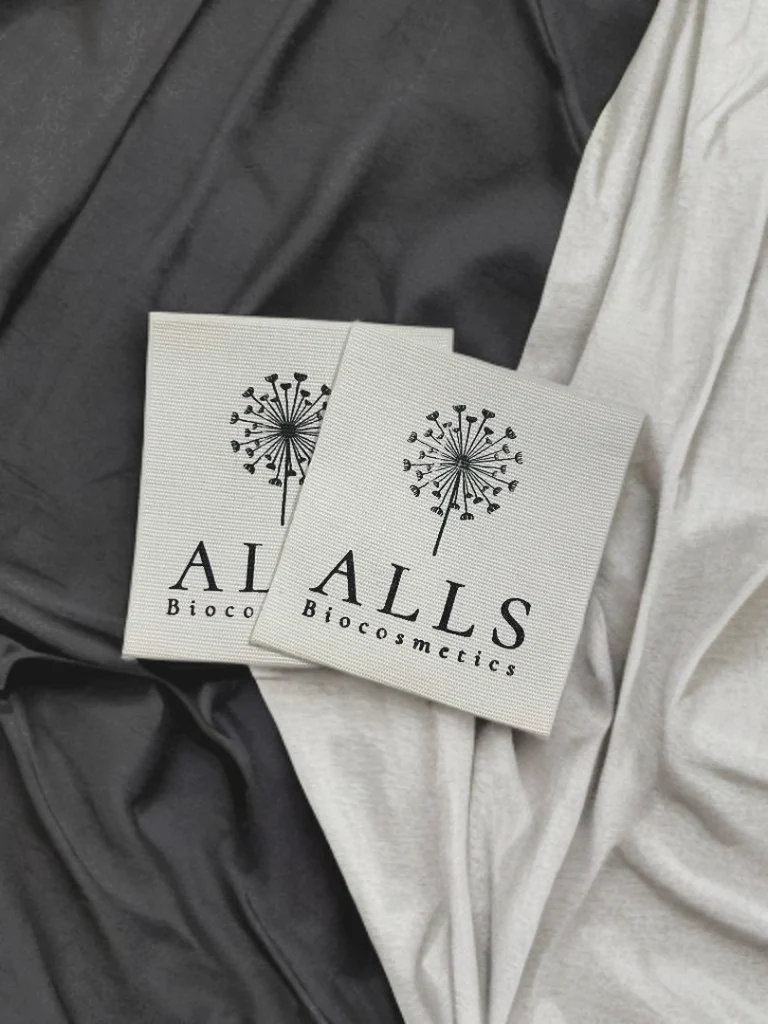
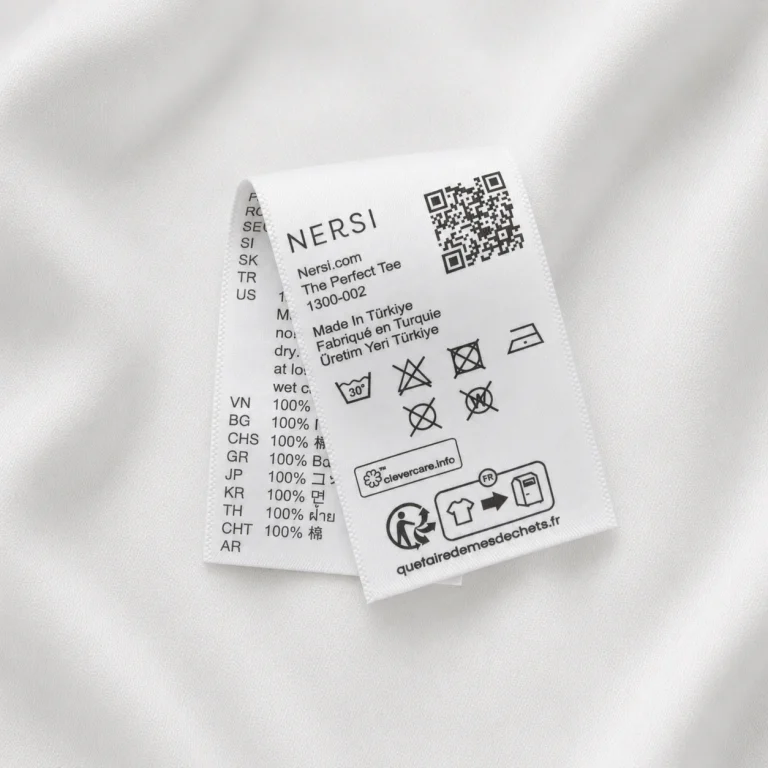
In the textile industry, one of the smallest yet most impactful elements is the label. Especially leather labels stand out for their durability and premium appearance. However, when it comes to leather, there are two main choices: genuine leather and faux leather (synthetic/PU/PVC leather).
In this article, we explore the advantages and disadvantages of each material and help you determine which is best suited for your brand and products.
What is Genuine Leather?
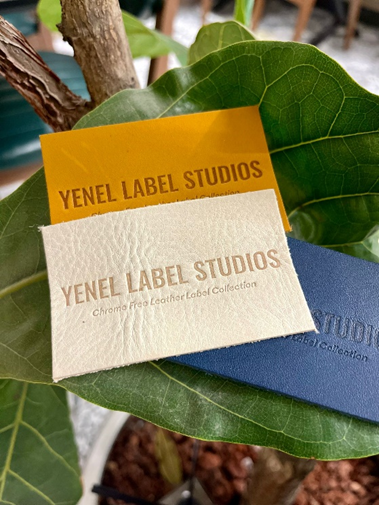
Genuine leather is a natural material obtained by processing animal hides, most commonly cowhide. It offers a unique texture, breathability, and long-lasting quality.
Advantages:
-
Natural texture and appearance: Each label is unique and adds a luxurious touch.
-
Durability: Can withstand years of wear without losing its character.
-
Prestige: Often preferred by high-end fashion brands.
Disadvantages:
-
Higher cost: More expensive to produce than alternatives.
-
Limited color options: Natural characteristics may restrict the color palette.
-
Animal-based: Not suitable for vegan consumers.

What is Faux Leather?
Faux leather is a synthetic material made by coating a fabric base (polyester, cotton, etc.) with PVC or polyurethane to mimic the look of real leather.
Advantages:
-
Cost-effective: A more budget-friendly alternative to real leather.
-
Wide variety of colors and textures: More flexibility for creative label designs.
-
Vegan-friendly: Contains no animal-derived components.
Disadvantages:
-
Less authentic appearance: Although high-quality faux leather can closely resemble the real thing, experts can tell the difference.
-
May crack or wear over time: Depending on quality, it may not be as durable.
Which Leather Label is Right for You?
When choosing between genuine and faux leather, consider the following:
| Criteria | Genuine Leather | Faux Leather |
|---|---|---|
| Budget | Higher | More affordable |
| Look & Feel | Natural and luxurious | Modern and versatile |
| Durability | Long-lasting | Moderate |
| Vegan Friendly | No | Yes |
| Color/Design Options | Limited | Very diverse |
| Sustainability | Debatable | Recyclable options exist |

Final Thoughts: Match the Material with Your Brand Identity
Genuine leather communicates quality and prestige, while faux leather offers flexibility, variety, and affordability. The best choice depends on your brand values, target market, and production goals.
At our company, we specialize in both genuine and faux leather labels, offering tailored solutions for your textile products. You can view sample works and explore material options by getting in touch with us.
When evaluating genuine leather, appearance should be considered together with product compatibility, use conditions and production details. Careful planning reduces unnecessary revisions and keeps the brand language consistent.
Planning the Right genuine leather Solution
Begin by defining the product dimensions, application area, audience and message. Design decisions should reflect real use conditions as well as visual preferences.
A balanced combination of color, type size, material and application improves readability. A production review prevents small details from becoming larger issues in a full run.
Quality and Application Details
Quality should not be judged only by the first appearance. Transport, storage, contact, washing or daily use conditions should be considered according to the product.
Dimensions, alignment, color balance and readability should be checked on a sample or digital proof. A clear approval process improves communication between the brand and manufacturer.
What Should You Compare Before Choosing?
When selecting genuine leather, compare material, application, quantity, delivery schedule and expected service life instead of using price as the only criterion.
Explore related Yenel Label options on our product and category page, and read independent guidance about responsible production and standards from this industry resource.