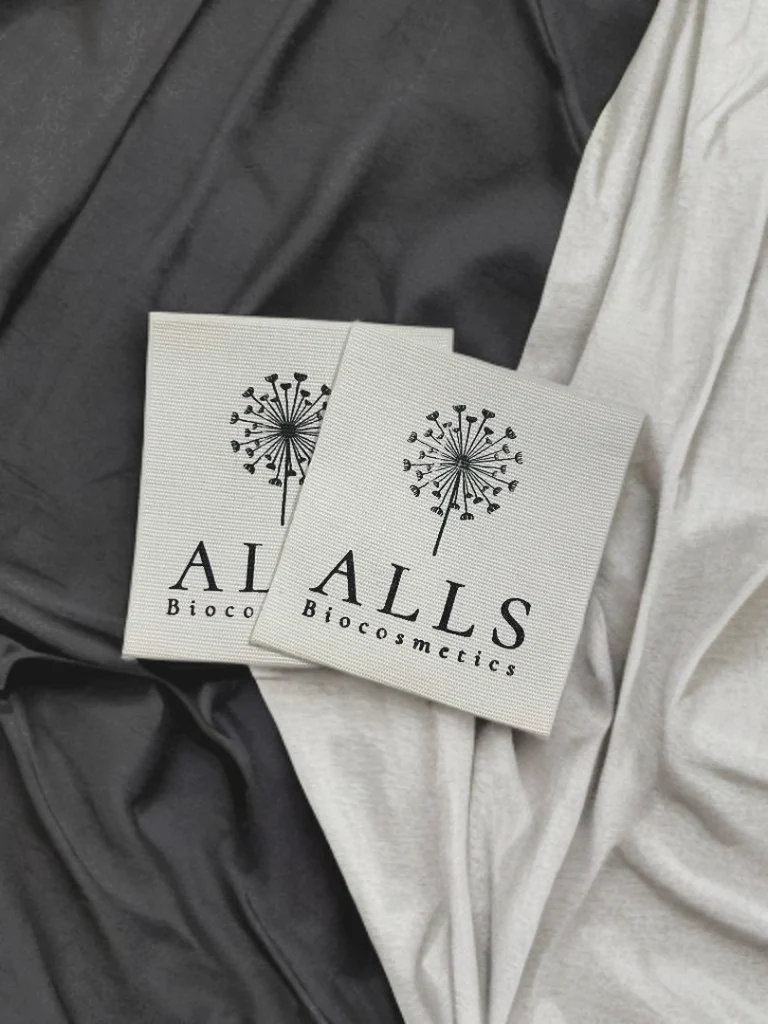
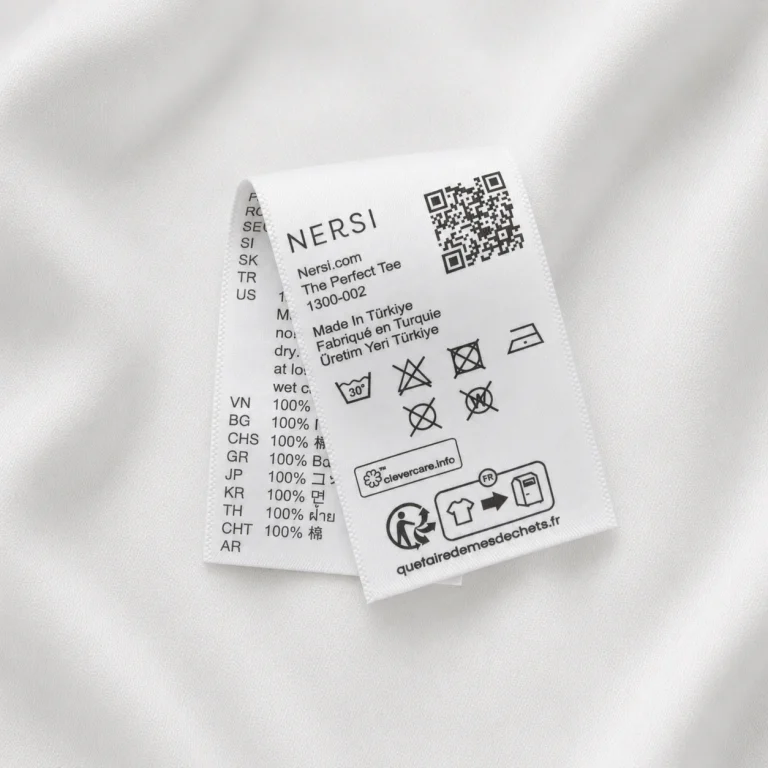
A product’s first interaction with the customer usually happens through its label. A label is more than just a piece of information — it reflects your brand’s style, quality, and distinct identity.
In today’s competitive markets, labels designed with special printing techniques have become a powerful way for brands to express themselves and attract attention.
So, what special printing techniques can you use? What do embossing, foil, varnish, and raised effects actually do? Let’s explore
1. Embossed Printing: Let Customers Feel the Quality
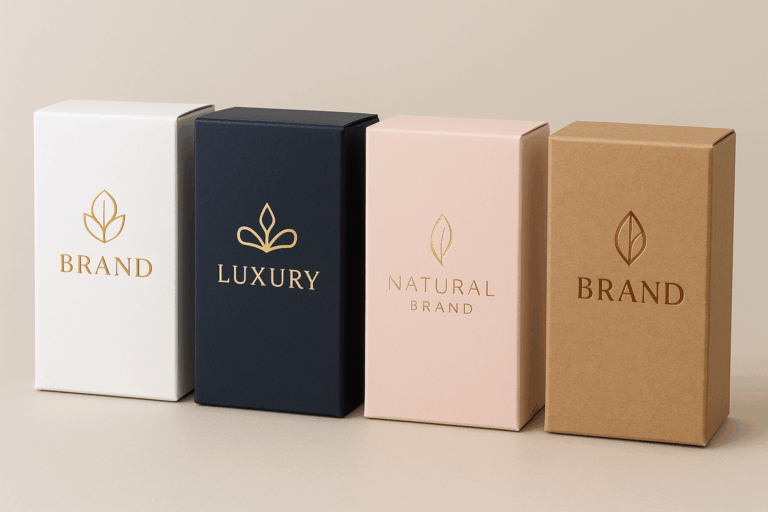
Embossing creates a raised texture on the surface of the label, giving it a three-dimensional look and feel. It’s often used on logos, brand names, or decorative patterns.
-
Advantages:
-
Adds a luxurious and high-quality feel
-
Makes the product stand out on the shelf
-
Engages customers through touch
-
-
Common uses: Perfume bottles, cosmetic products, wine and olive oil labels
Embossing is ideal for brands that want to build a premium, elegant image.
2. Hot Foil Stamping: The Power of Shine
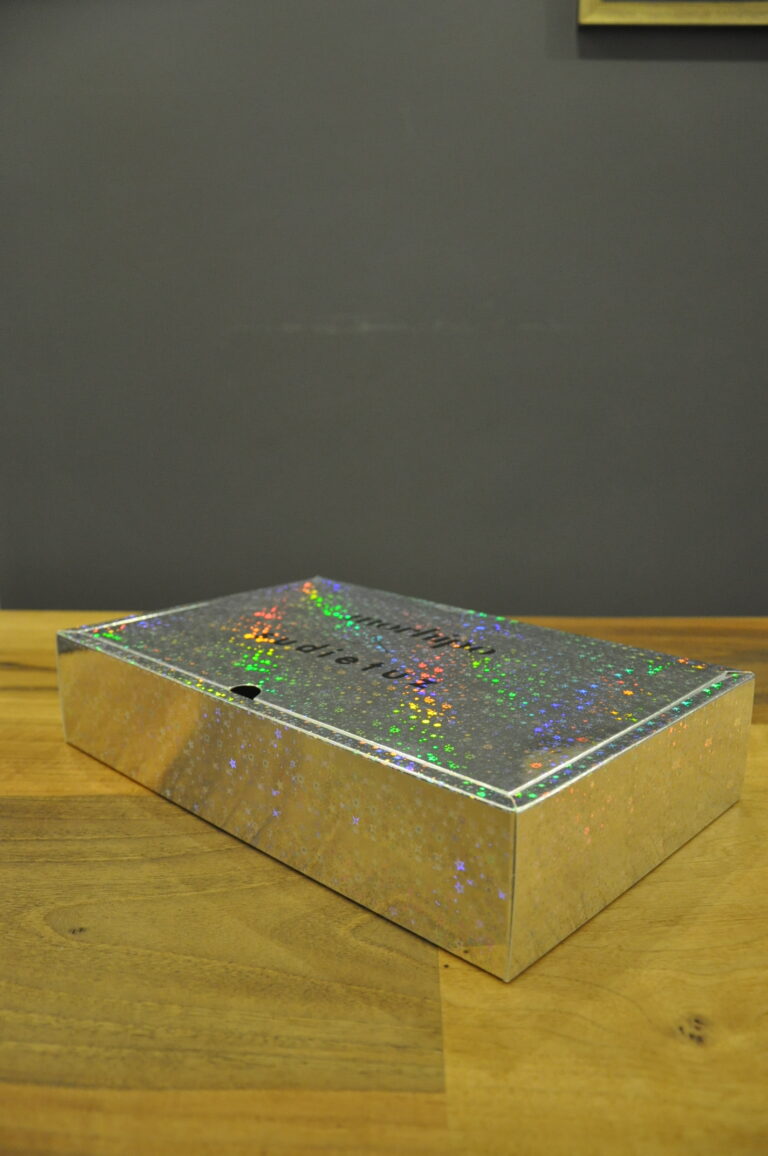
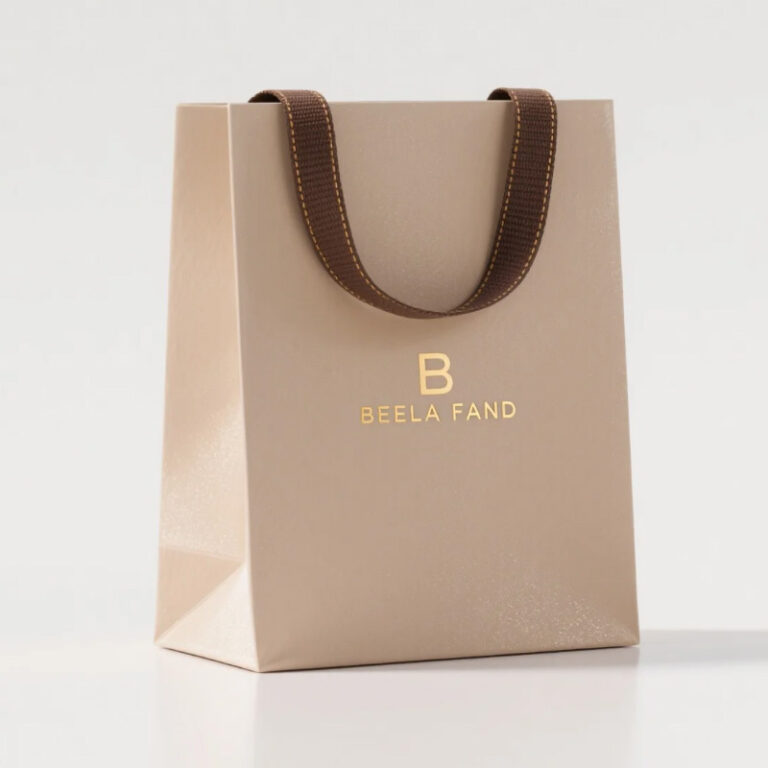
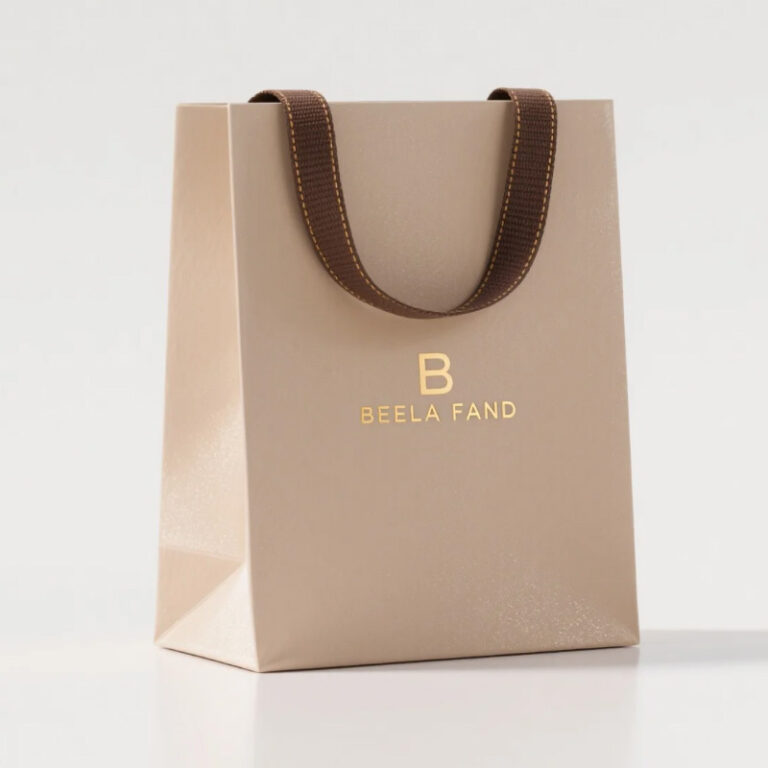
Hot foil stamping uses metallic foil — usually in gold, silver, or copper tones — to give the label a shiny, reflective effect.
-
Advantages:
-
Adds elegance and prestige
-
Reflects light, drawing attention to key details
-
Available in many colors and finishes to suit different styles
-
-
Common uses: Luxury cosmetics, beverages, and gift products
Especially in the perfume and beauty industry, foil stamping is a symbol of sophistication and high quality.
3. Spot UV / Varnish: Create Contrast with Gloss and Matte Effects
Spot UV or varnish involves applying a glossy coating to specific areas of the label, creating a contrast between shiny and matte surfaces.
-
Advantages:
-
Highlights certain parts of the design
-
Adds visual depth and protection
-
Resistant to moisture and external factors
-
-
Common uses: Food, beverage, cosmetic, and promotional labels
This technique can transform a simple label into a modern, professional-looking design.
4. Raised Effects: Add Depth and Elegance
Raised printing gives certain parts of the label a textured, elevated surface — similar to embossing, but with a more noticeable 3D effect.
-
Advantages:
-
Conveys a sense of luxury and attention to detail
-
Highlights logos or product names
-
Encourages customers to interact physically with the product
-
-
Common uses: Wine, perfume, chocolate, and gift packaging
Raised labels emphasize that your brand cares about every detail.
5. Combine Special Materials and Techniques for Unique Results
The real magic happens when you combine printing techniques with the right materials.
For example:
-
Kraft paper + foil stamping: Natural yet luxurious appearance
-
Transparent label + spot varnish: Sleek and modern finish
-
Matte surface + embossed logo: Premium minimalist style
By selecting the right combination, your label can stand out both visually and tactilely.
Conclusion: Your Label Is the Silent Voice of Your Brand
Remember — a label doesn’t just inform, it tells your brand’s story.
Special printing techniques like embossing, foil, varnish, and raised effects add value, strengthen brand perception, and directly influence purchase decisions.
If you want to elevate your brand with custom-designed, high-quality printed labels, contact us today.
Let’s create unique label designs that make your products stand out!
When evaluating special printing techniques, appearance should be considered together with product compatibility, use conditions and production details. Careful planning reduces unnecessary revisions and keeps the brand language consistent.
Planning the Right special printing techniques Solution
Begin by defining the product dimensions, application area, audience and message. Design decisions should reflect real use conditions as well as visual preferences.
A balanced combination of color, type size, material and application improves readability. A production review prevents small details from becoming larger issues in a full run.


Quality and Application Details
Quality should not be judged only by the first appearance. Transport, storage, contact, washing or daily use conditions should be considered according to the product.
Dimensions, alignment, color balance and readability should be checked on a sample or digital proof. A clear approval process improves communication between the brand and manufacturer.
What Should You Compare Before Choosing?
When selecting special printing techniques, compare material, application, quantity, delivery schedule and expected service life instead of using price as the only criterion.
Explore related Yenel Label options on our product and category page, and read independent guidance about responsible production and standards from this industry resource.