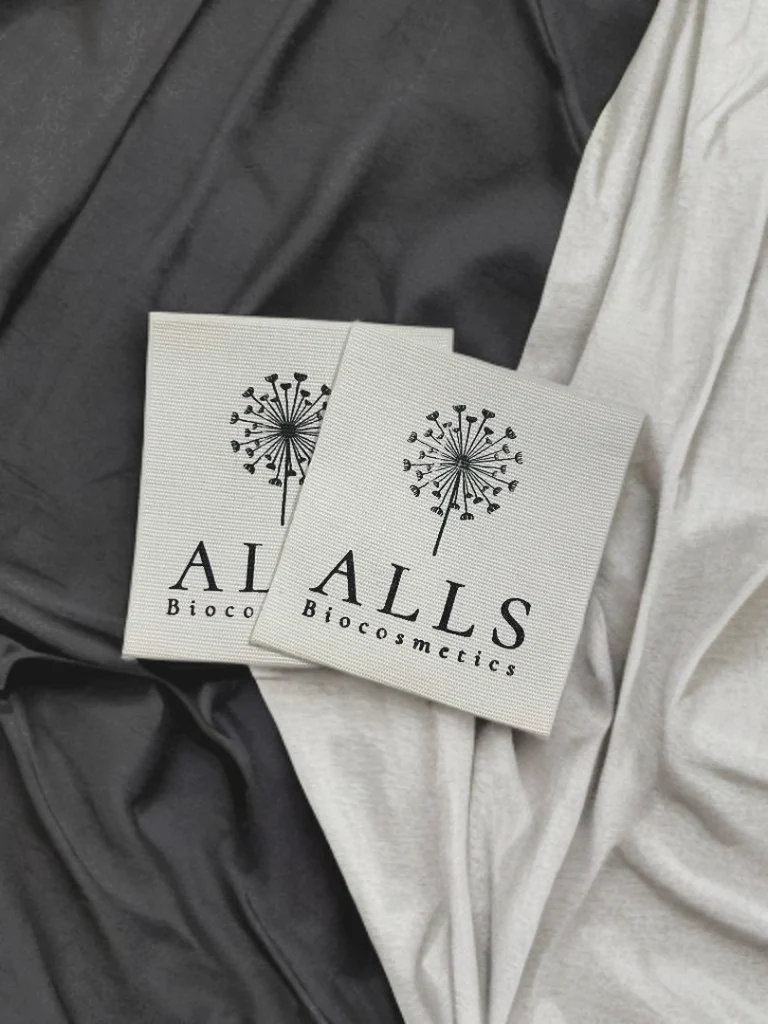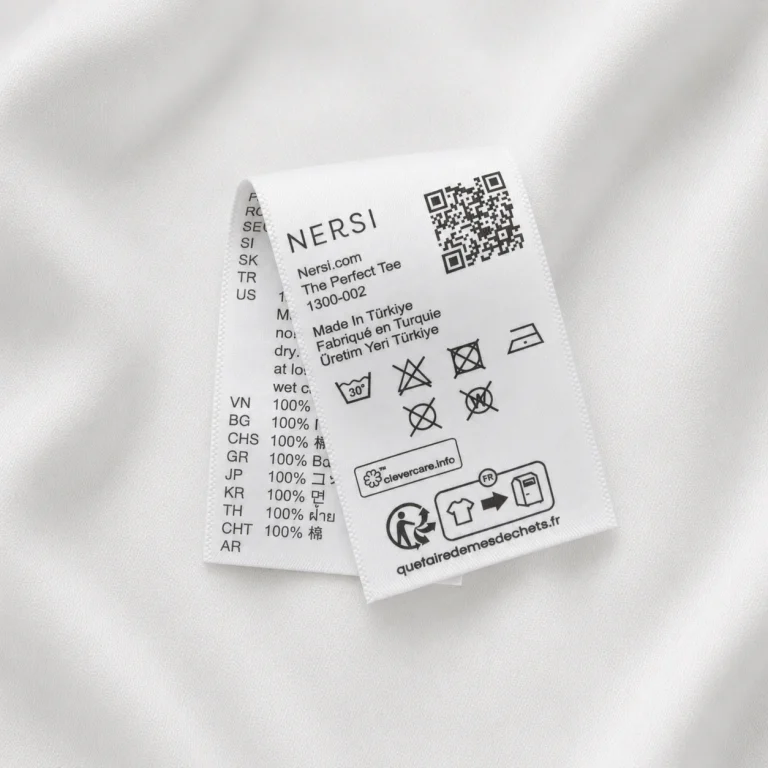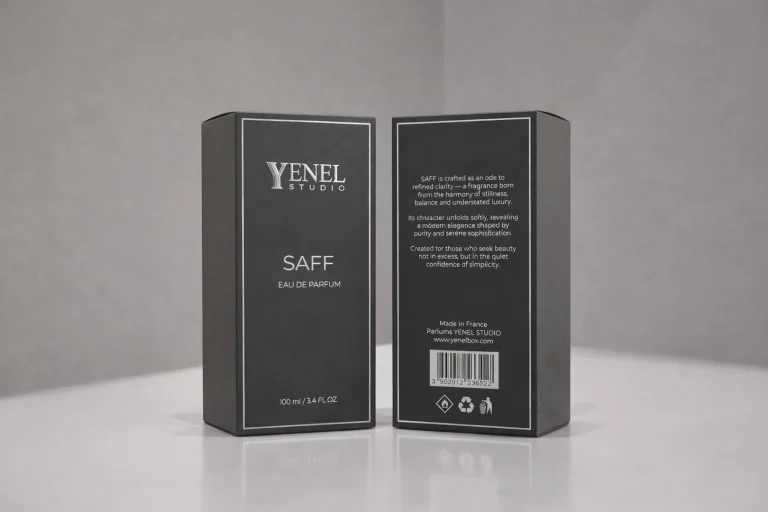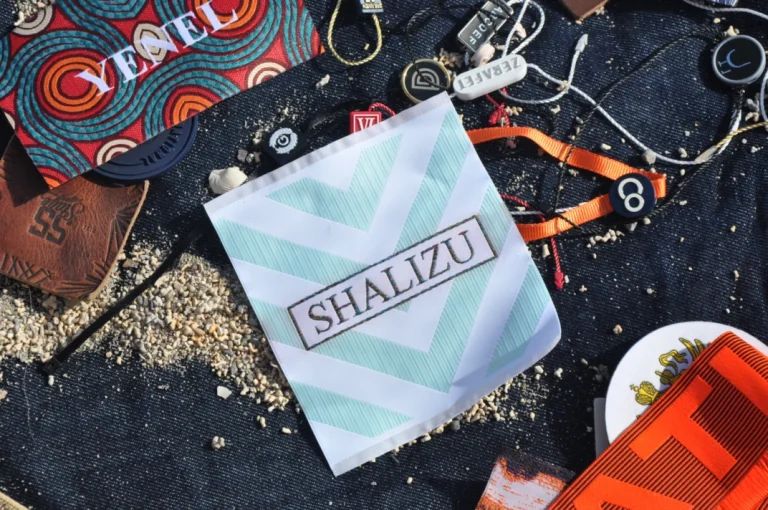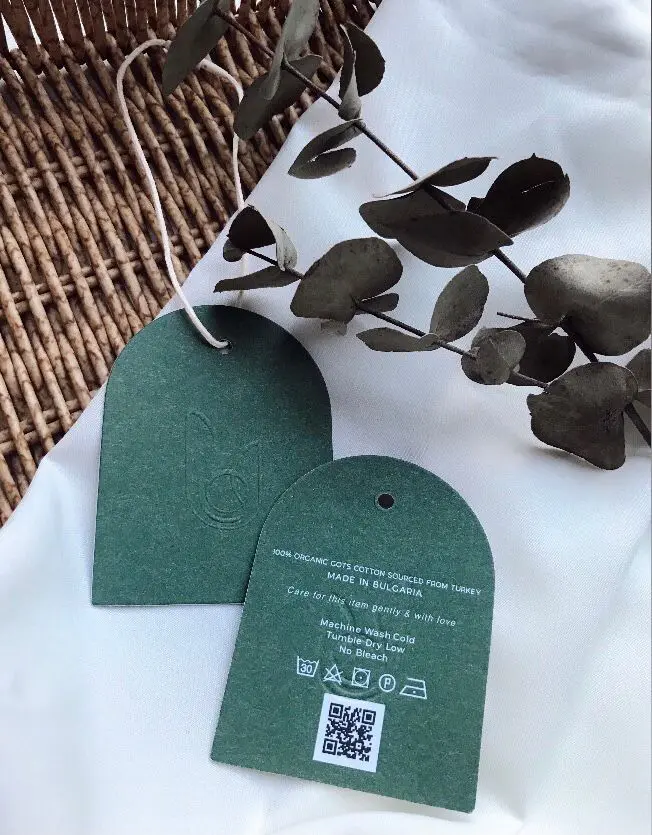

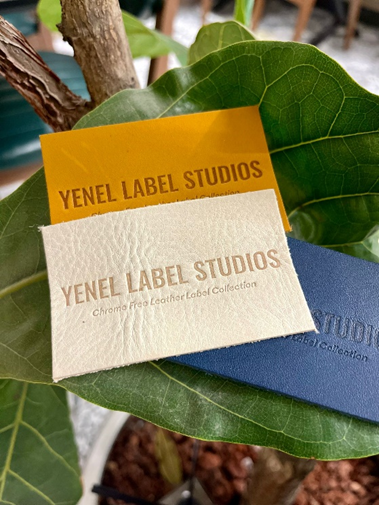
In the branding process, small details make a big difference. Just as important as your product’s quality is the label it carries. Especially in the textile, denim, bag, and footwear industries, leather labels are one of the most effective choices for creating a premium look and a strong brand image.
So, how does using leather labels benefit your brand? Here are the key advantages:
1️⃣ Premium and Strong Brand Perception
Leather represents naturalness, durability, and timeless elegance. A leather label used on a product creates a sense of quality and trust in the consumer’s mind.
Particularly in:
-
Denim collections
-
Boutique fashion brands
-
Handmade products
a leather label elevates the product to a higher segment. When customers touch the product, they can literally feel the quality.
2️⃣ Timeless and Elegant Design
Leather labels adapt easily to both classic and modern designs.
Available techniques include:
-
Laser engraving
-
Heat stamping (branding)
-
Embossed logos
-
Color printing
This variety allows you to create unique designs that perfectly reflect your brand identity.

3️⃣ Durability and Longevity
Genuine or high-quality synthetic leather labels:
-
Are resistant to washing
-
Develop character over time
-
Maintain their shape without easily deforming
Especially on heavily used products such as jeans, leather labels retain their form and appearance for a long time.
4️⃣ Natural and Sustainable Image
Today’s consumers increasingly prefer environmentally conscious brands. When vegetable-tanned leather or eco-friendly production techniques are used, your brand sends a strong sustainability message.
This strengthens the perception that your brand is:
-
Environmentally aware
-
Quality-focused
-
Committed to long-lasting product

5️⃣ Strengthening Brand Identity
A leather label is not just a logo carrier; it represents your brand’s character.
Minimal, vintage, modern, or rustic—no matter the style, a leather label supports your brand story and increases memorability.
Conclusion
Using leather labels increases the perceived value of your product and positions your brand in a more prestigious place. Through aesthetic appeal, durability, and strong brand perception, you can build a deeper connection with your customers.
Remember, strong brands are hidden in the details — and leather labels are one of the most powerful details of all.
When evaluating leather labels, appearance should be considered together with product compatibility, use conditions and production details. Careful planning reduces unnecessary revisions and keeps the brand language consistent.
Planning the Right leather labels Solution
Begin by defining the product dimensions, application area, audience and message. Design decisions should reflect real use conditions as well as visual preferences.
A balanced combination of color, type size, material and application improves readability. A production review prevents small details from becoming larger issues in a full run.
Quality and Application Details
Quality should not be judged only by the first appearance. Transport, storage, contact, washing or daily use conditions should be considered according to the product.
Dimensions, alignment, color balance and readability should be checked on a sample or digital proof. A clear approval process improves communication between the brand and manufacturer.
What Should You Compare Before Choosing?
When selecting leather labels, compare material, application, quantity, delivery schedule and expected service life instead of using price as the only criterion.
Explore related Yenel Label options on our product and category page, and read independent guidance about responsible production and standards from this industry resource.