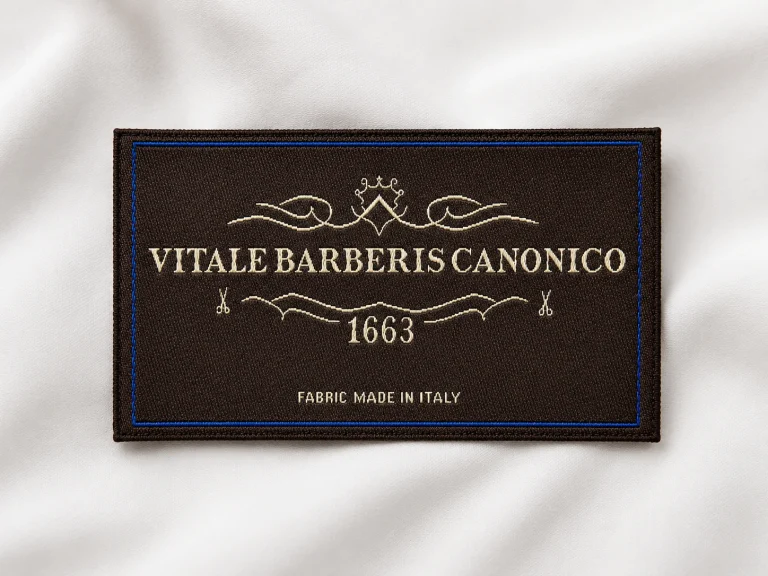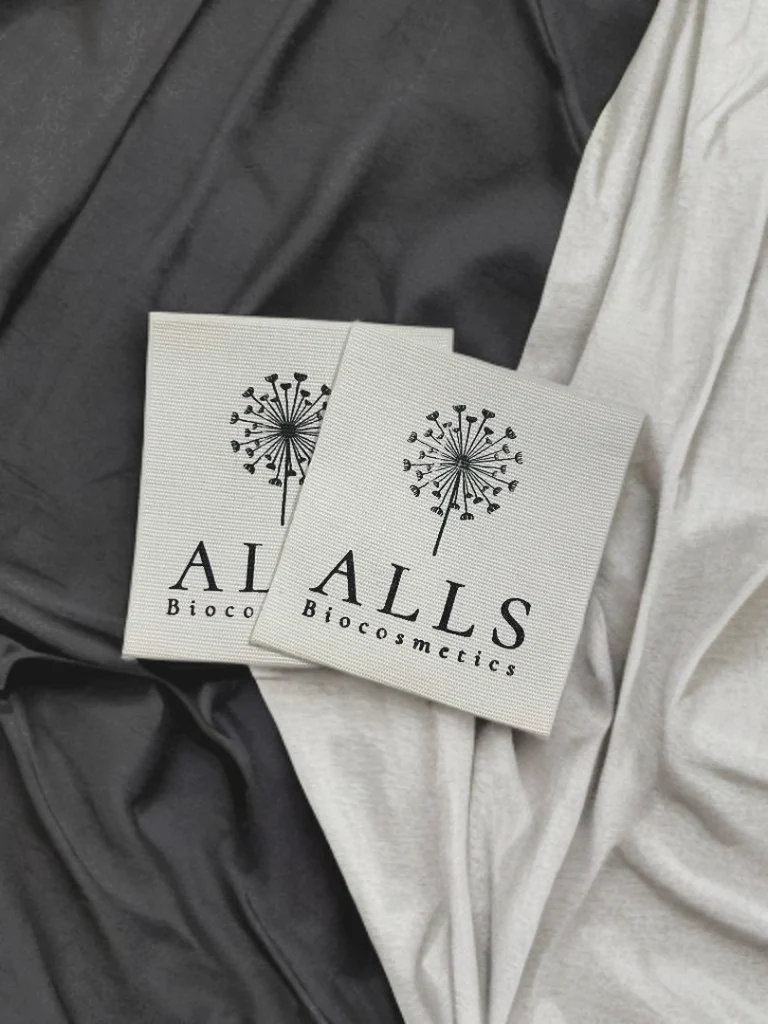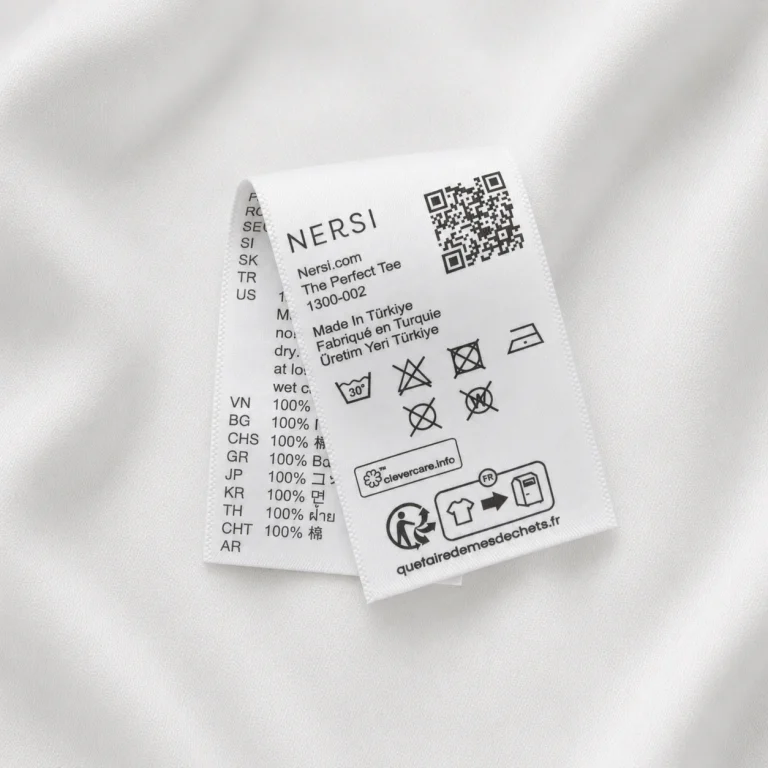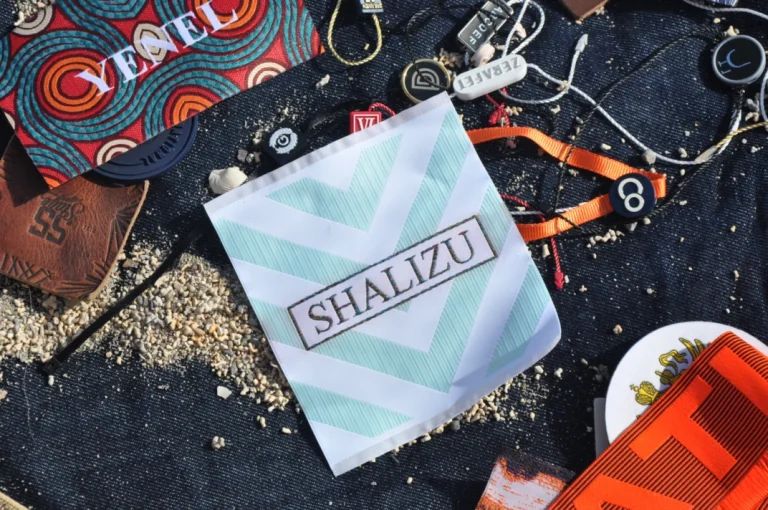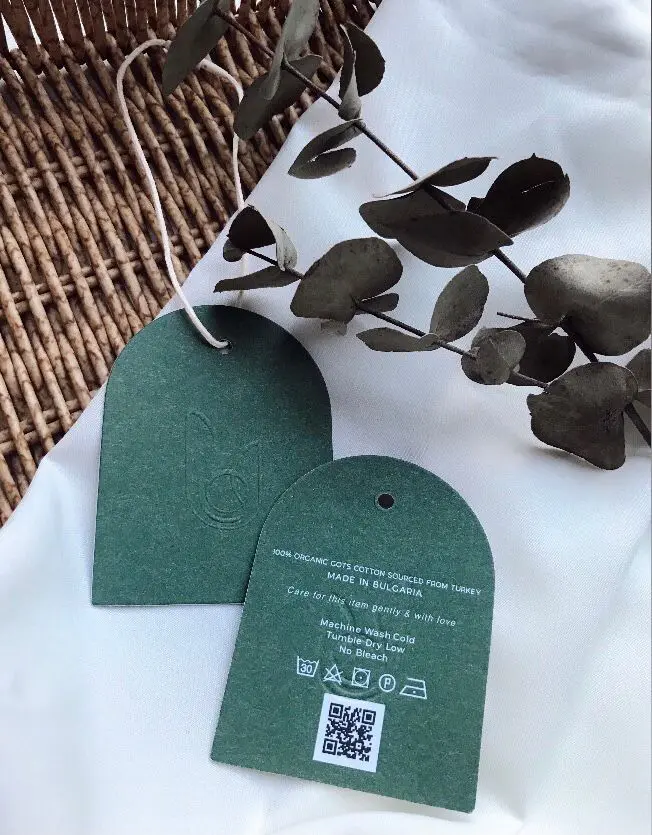

When manufacturing a garment, details often demand as much attention as the choice of fabric or the precision of stitching. The dimensions assigned to markers placed inside the collar or along the outer surface directly influence the overall posture of the piece. Decisions made at the design desk regarding the ideal label size move beyond mere aesthetic choices, translating immediately into practical comfort for the person wearing the item. Dimensions that are selected poorly can quickly turn into an irritating element for the wearer or catch on stitches, distorting the original form of the product. Therefore, planning requires a balanced evaluation of both the garment structure and the expectations of the target audience.
Every garment type offers a different physical canvas and serves a distinct purpose. Heavy outer garments and delicate infant wear do not accommodate the exact same dimensional standards. Thicker fabrics found in coats or winter jackets easily support wider labels without issue, whereas rigid markers placed inside lightweight t-shirts often provoke physical discomfort. Assessing the thickness and elasticity parameters of the textile serves as the initial step in reaching a sound dimensional decision.
Garment Type and Label Size Balance
The space available on a garment dictates the boundaries of what a designer can achieve. Heavy outerwear and lightweight summer shirts demand completely different planning strategies when sizing trims. When dealing with thick coats, larger dimensions maintain a balanced visual weight. Conversely, small garments require scaled-down dimensions to prevent awkward folding and stiffness.
The fabric weight and stretch factor directly influence how a brand applies a marker near the shoulder seam or neck binding. Reducing dimensions to account for seam allowances prevents unsightly bulk from forming during final assembly. Reviewing options on the Woven Label page provides useful context for how different constructions handle varying scales.
Engineers must also evaluate how physical movement affects the garment over time. A stiff marker sewn into a high-friction zone will cause persistent annoyance if the width exceeds safe thresholds. Careful planning at the prototyping stage prevents these common mistakes before mass production begins.
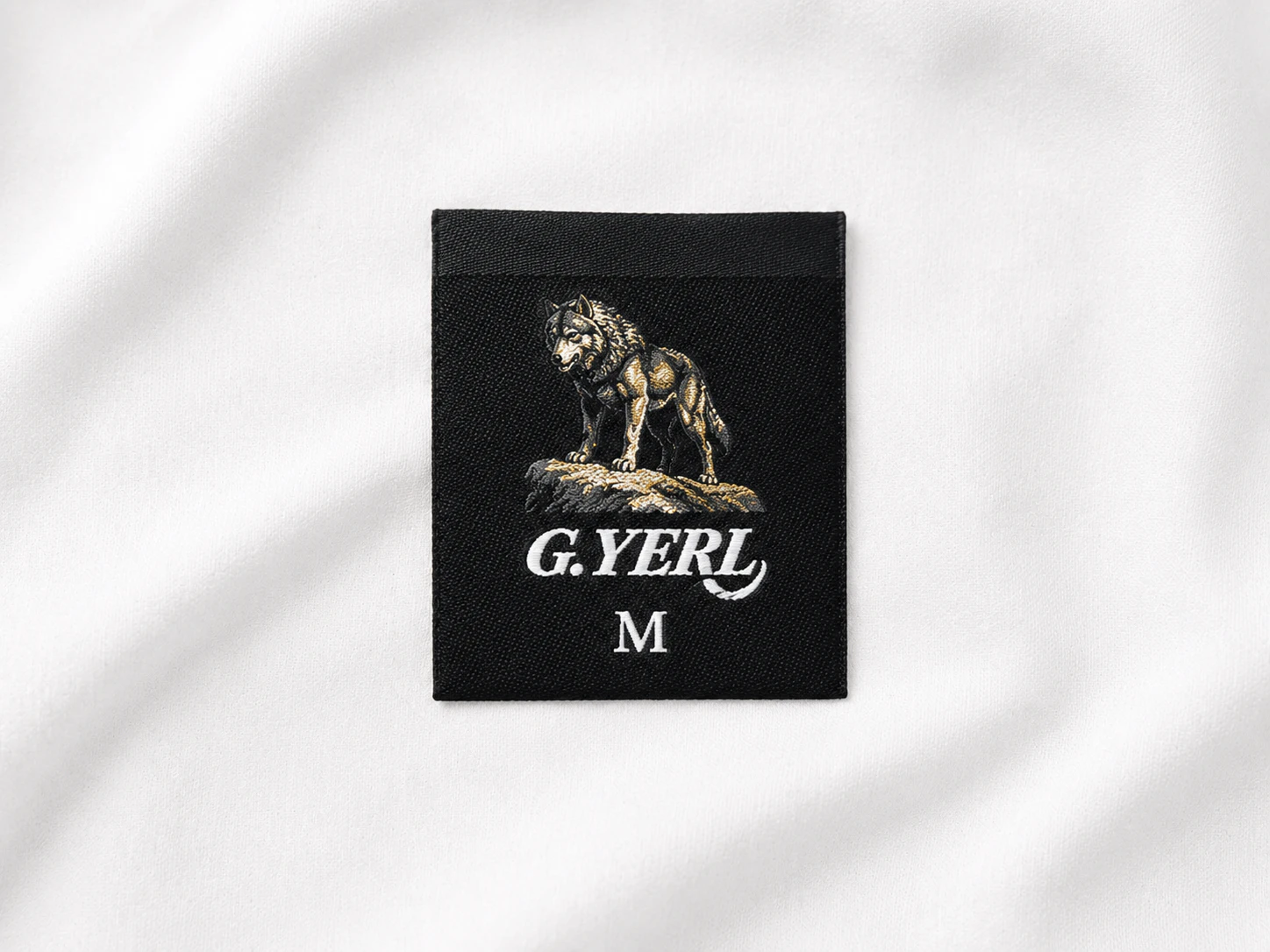
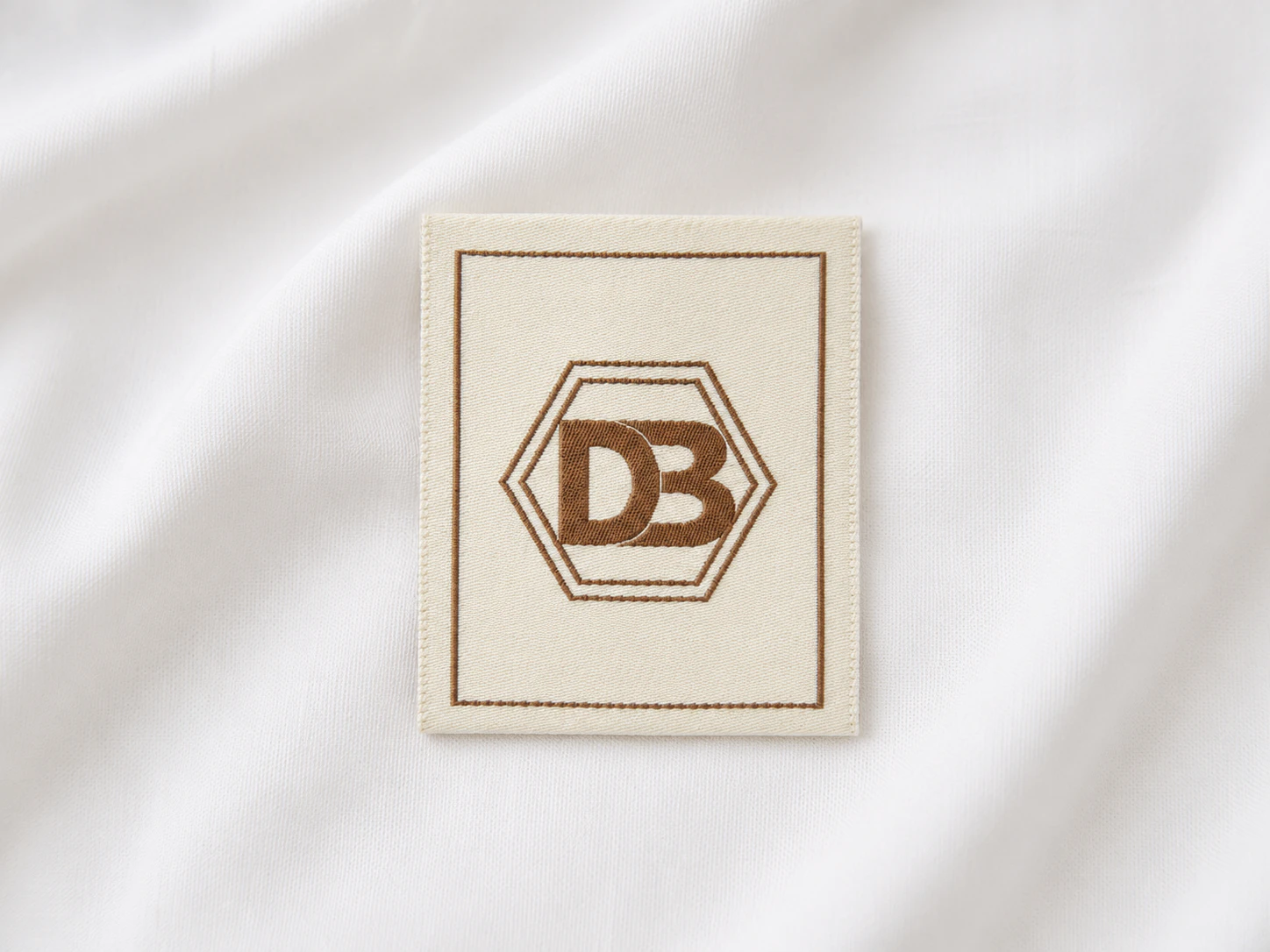
Collar Interior and External Appearance Preferences
The interior neck area offers a strictly limited surface, requiring careful craftsmanship to fit both brand names and care symbols into a compact space. Oversized markers frequently induce neck itching or peek awkwardly over the collar. Utilizing folded models or loop-end versions helps maximize efficiency within these tight borders.
Exterior placements focus primarily on visual identity and aesthetic positioning. Whether attaching details near a sleeve hem or along a lower edge, technicians carefully calculate the available canvas. Exploring choices through the Printed Label category offers alternative solutions for surface branding.
Balancing legibility with proportion ensures that external markers enhance the garment rather than cluttering the design. Precise measurements safeguard the visual flow across different fabric panels.
Application Area and Consumer Comfort Relationship
The tactile sensation experienced by the consumer while wearing the clothing connects directly to the chosen dimensions. Rigid edges and oversized markers can abrade the skin during active movement, particularly in athletic wear. Maintaining moderate proportions remains essential even when utilizing soft-textured yarns.
Children’s clothing and collections aimed at sensitive skin benefit greatly from smaller, minimalist measurements. Proportions that avoid causing irritation during regular use support the garment’s longevity from purchase through repeated laundering cycles.
Design teams should evaluate skin contact points carefully during sample reviews. Soft attachment methods combined with appropriate sizing eliminate friction points entirely.
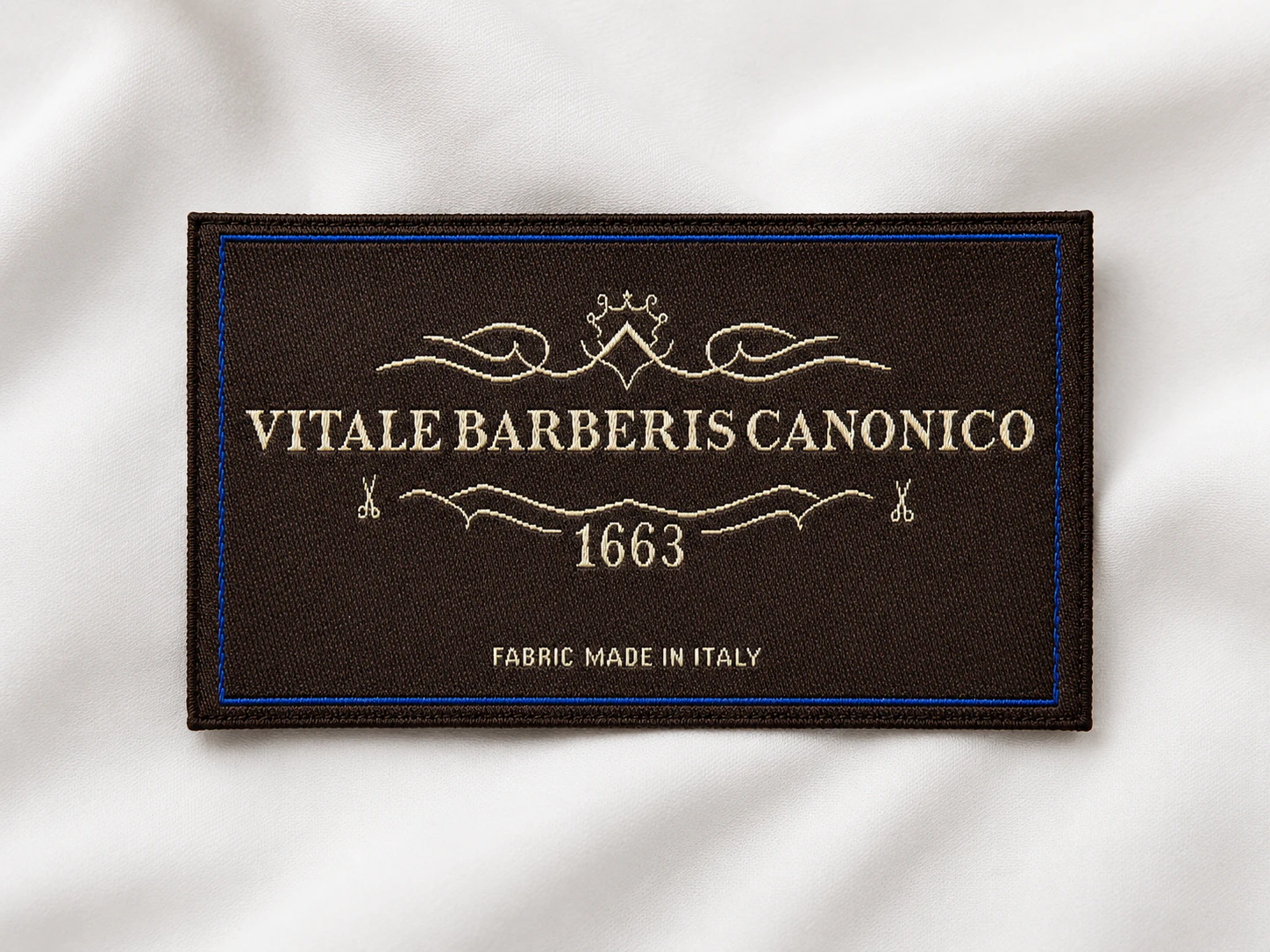
Production Techniques and Cutting Allowance Roles
Failing to account for cutting and folding tolerances during dimensioning often results in finished products that miss their target size. Edge allowances originating from loom output and heat-cut procedures directly dictate the final physical dimensions.
Alternative manufacturing methods require careful monitoring of how fabrics absorb ink and how much shrinkage occurs after washing. Factoring in these technical variables ensures consistency across large production batches.
Production facilities must synchronize their cutting tolerances with the chosen material properties. This synchronization prevents unwanted distortion during high-speed automated sewing processes.
Brand Identity and Practical Size Harmony
Logos and typography require minimum dimensional thresholds to remain legible. Excessively tiny text areas frustrate the reader, while oversized dimensions overwhelm the garment’s overall elegance. Trial sewings during the prototype phase provide reliable feedback on these visual proportions.
Narrowing necklines and custom collar cuts demand careful alignment to protect the brand’s visual language. Finding the ideal ratio protects production efficiency while simultaneously elevating final customer satisfaction levels.
Integrating these technical checks early in the product development cycle eliminates costly manufacturing bottlenecks later. Proper sizing grounded in fabric analysis remains a cornerstone of professional garment construction.