Why Sustainability Matters in the Textile Industry
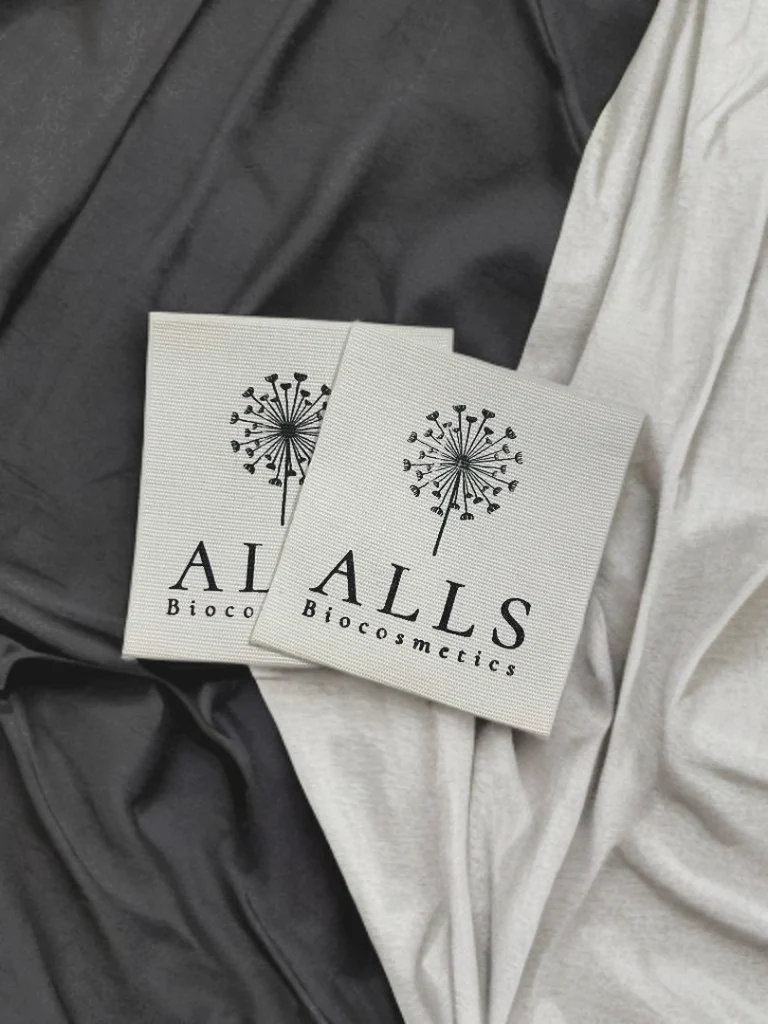
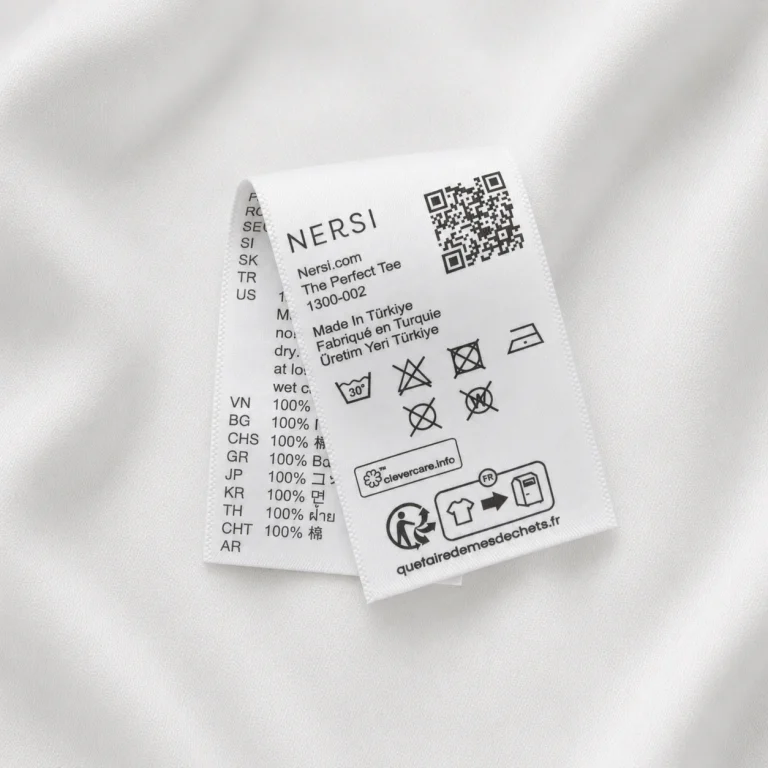
Today, the textile industry is one of the sectors with the highest environmental impact. With increasing consumer awareness, sustainable production is no longer a choice—it’s a necessity. Even small details like printed labels play a significant role in this transformation.
In this article, we’ll explore what sustainable printed labels are, what materials are used, and why your brand should consider switching to eco-friendly labeling solutions.

What Are Sustainable Printed Labels?
Sustainable printed labels are made from eco-friendly materials and printed using environmentally responsible techniques. These labels are designed to reduce the environmental footprint of textile products and are often recyclable, compostable, or derived from organic sources.
Which Materials Are Used?
The most commonly used materials in sustainable label production include:
-
Organic cotton labels
-
Recycled polyester (rPET)
-
Bamboo fiber labels
-
Paper-based (kraft) labels
-
Labels printed with natural dyes
These materials offer both environmental benefits and a powerful way to reflect your brand’s commitment to sustainability.
Eco-Friendly Printing Techniques
It’s not just the material—the printing method should also be sustainable. Here are some eco-conscious techniques:
-
Water-based inks
-
Azo-free dyes (free from harmful chemicals)
-
Digital printing (lower waste and energy consumption)
These methods ensure high-quality prints while minimizing harm to the environment.
Why Choose Sustainable Printed Labels?
-
Strengthen your brand image. Eco-conscious brands are seen as more trustworthy and responsible.
-
Meet regulatory requirements. Many countries are enforcing stricter environmental regulations.
-
Respond to consumer expectations. Today’s consumers are looking for sustainability in every detail, including product labels.
-
Reduce your carbon footprint. Even small changes can make a big impact.
What We Offer as a Sustainable Label Manufacturer
As [Your Company Name], in line with our environmentally friendly production policy:
-
We provide recyclable and eco-friendly label solutions.
-
We use FSC-certified papers and OEKO-TEX® certified materials.
-
We operate under a minimum waste policy to fulfill our environmental responsibility.
Conclusion: Take Responsibility for the Future
If you want to make a difference in the textile industry, you must pay attention to the details. Sustainable printed labels not only demonstrate your environmental awareness but also reinforce your brand’s core values. Remember—even a small label can make a big difference.
When evaluating sustainable printed labels, appearance should be considered together with product compatibility, use conditions and production details. Careful planning reduces unnecessary revisions and keeps the brand language consistent.
Planning the Right sustainable printed labels Solution
Begin by defining the product dimensions, application area, audience and message. Design decisions should reflect real use conditions as well as visual preferences.
A balanced combination of color, type size, material and application improves readability. A production review prevents small details from becoming larger issues in a full run.
Quality and Application Details
Quality should not be judged only by the first appearance. Transport, storage, contact, washing or daily use conditions should be considered according to the product.
Dimensions, alignment, color balance and readability should be checked on a sample or digital proof. A clear approval process improves communication between the brand and manufacturer.
What Should You Compare Before Choosing?
When selecting sustainable printed labels, compare material, application, quantity, delivery schedule and expected service life instead of using price as the only criterion.
Explore related Yenel Label options on our product and category page, and read independent guidance about responsible production and standards from this industry resource.