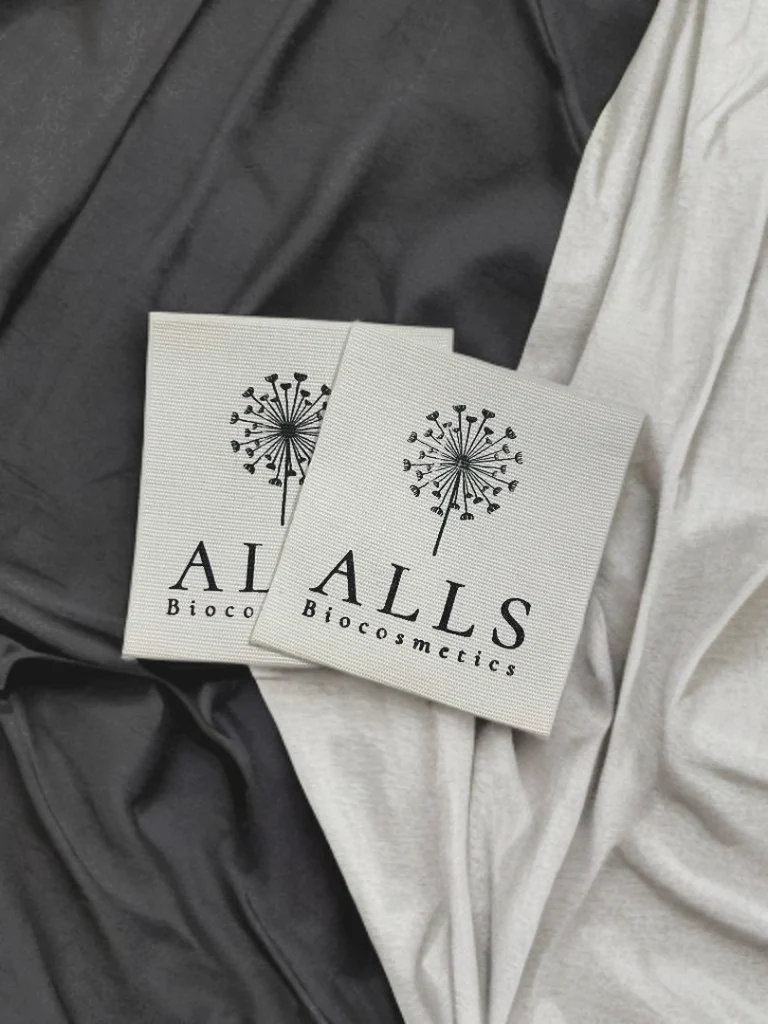
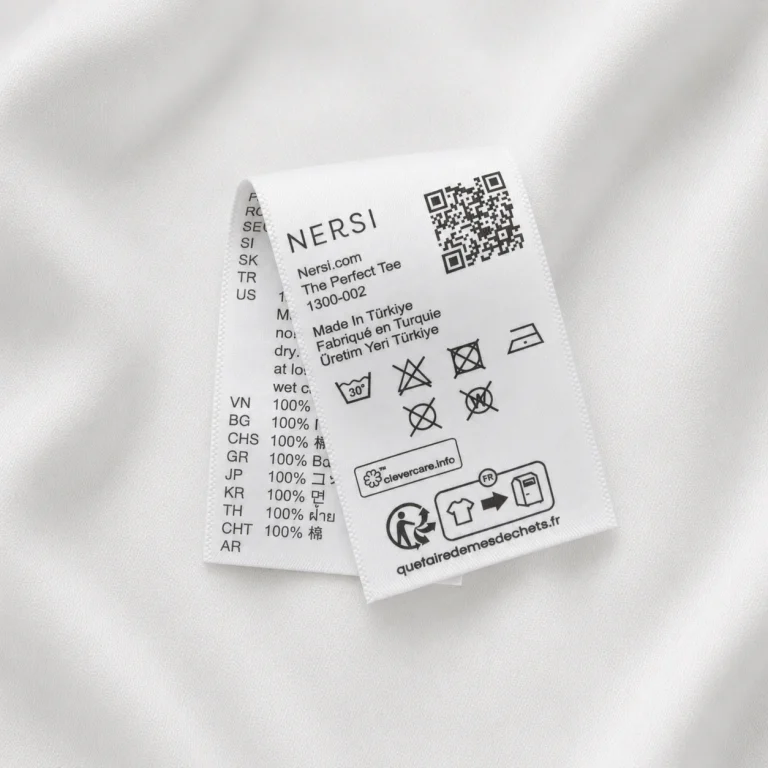
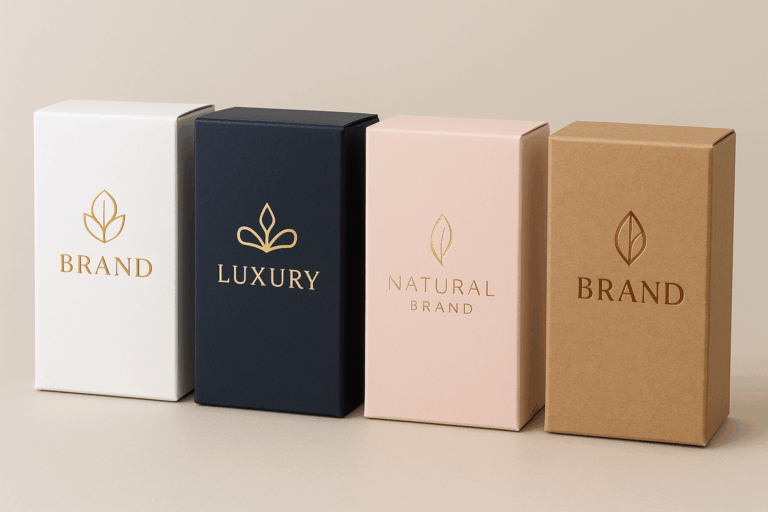
Today, adopting eco-friendly practices not only fulfills our responsibility to the planet, but also significantly enhances brand perception among conscious consumers. In this context, sustainable cardboard labels offer both a stylish and environmentally responsible labeling solution.
♻️ What Are Sustainable Cardboard Labels?
Sustainable cardboard labels are labels made from recyclable, eco-friendly, and renewable resources. They are typically produced from FSC-certified paper, recycled cardboard, or biodegradable materials. The manufacturing process minimizes water usage and carbon emissions, making them a cleaner alternative to conventional labels.


🌍 Why Choose Sustainable Labels?
1. Environmental Responsibility
Cardboard labels decompose much faster than plastic-based alternatives, reducing environmental impact.

2. Changing Consumer Preferences
Studies show that today’s consumers prefer brands that prioritize sustainability. Eco-friendly labels help establish an emotional connection with your audience.
3. Legal & Corporate Compliance
The EU and many other countries are enforcing stricter regulations on packaging and labeling. Adopting sustainable labels early can help future-proof your brand and lower compliance costs.
🌱 Key Features of Cardboard Labels
-
Recyclable and biodegradable
-
Available in various finishes: matte, kraft, textured, or custom-cut
-
Natural look enhances your brand’s eco-image
-
High-quality printing supports clear brand messaging
🎯 Industries That Benefit from Sustainable Labels
-
Fashion & Textiles: Kraft cardboard labels are popular in eco-conscious fashion.
-
Cosmetics: Natural product lines pair perfectly with eco-friendly labeling.
-
Food & Beverage: Organic, vegan, or gluten-free products gain trust with sustainable tags.
-
Handmade & Gift Items: Eco-labels complement the artisanal nature of handmade goods.
✨ How to Choose the Right Sustainable Label for Your Brand
-
Material Selection: Choose FSC-certified, recycled, or kraft cardboard.
-
Design Approach: Go for minimal, nature-inspired designs that communicate your eco-message.
-
Printing Techniques: Use water-based inks and environmentally friendly printing processes.
-
Work with the Right Supplier: Partner with manufacturers that offer sustainability certifications.
🔚 Conclusion: The Future Belongs to Eco-Conscious Brands
Sustainable cardboard labels are more than just packaging elements; they are powerful tools that communicate your brand’s commitment to the planet. Whether you’re a growing startup or an established name, switching to eco-friendly labeling helps you stand out in an increasingly green marketplace.
Ready to elevate your brand and make a real difference? Discover the potential of sustainable cardboard labels today. 🌿
When evaluating sustainable cardboard labels, appearance should be considered together with product compatibility, use conditions and production details. Careful planning reduces unnecessary revisions and keeps the brand language consistent.
Planning the Right sustainable cardboard labels Solution
Begin by defining the product dimensions, application area, audience and message. Design decisions should reflect real use conditions as well as visual preferences.
A balanced combination of color, type size, material and application improves readability. A production review prevents small details from becoming larger issues in a full run.
Quality and Application Details
Quality should not be judged only by the first appearance. Transport, storage, contact, washing or daily use conditions should be considered according to the product.
Dimensions, alignment, color balance and readability should be checked on a sample or digital proof. A clear approval process improves communication between the brand and manufacturer.
What Should You Compare Before Choosing?
When selecting sustainable cardboard labels, compare material, application, quantity, delivery schedule and expected service life instead of using price as the only criterion.
Explore related Yenel Label options on our product and category page, and read independent guidance about responsible production and standards from this industry resource.