silicone labels in textiles
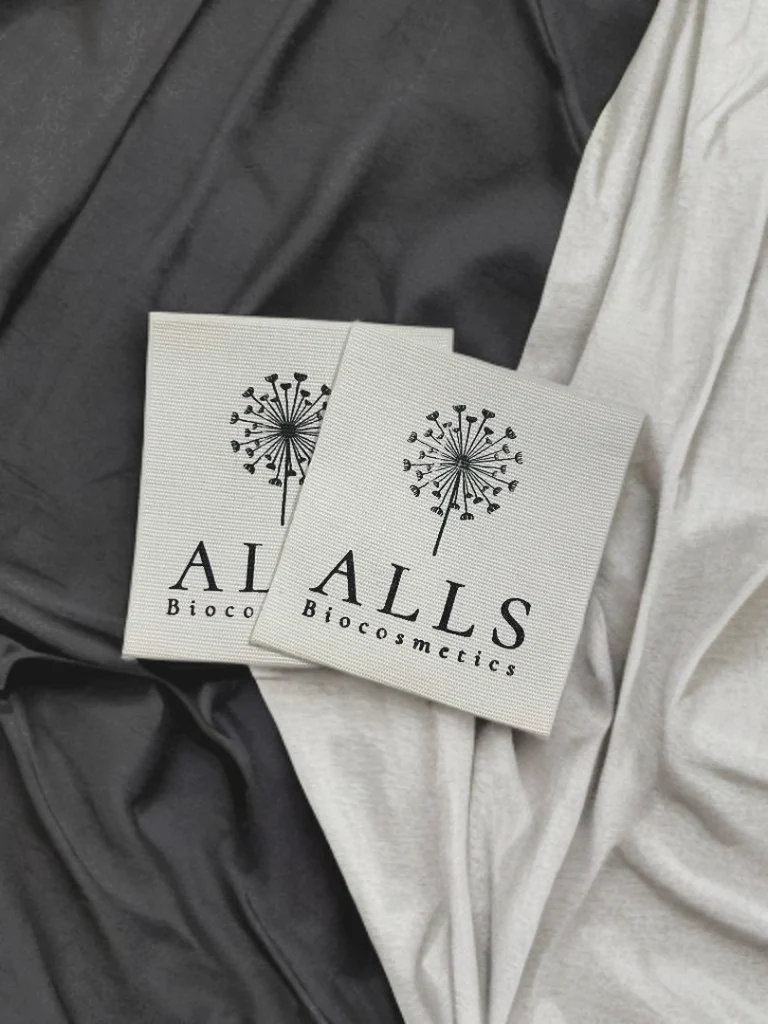
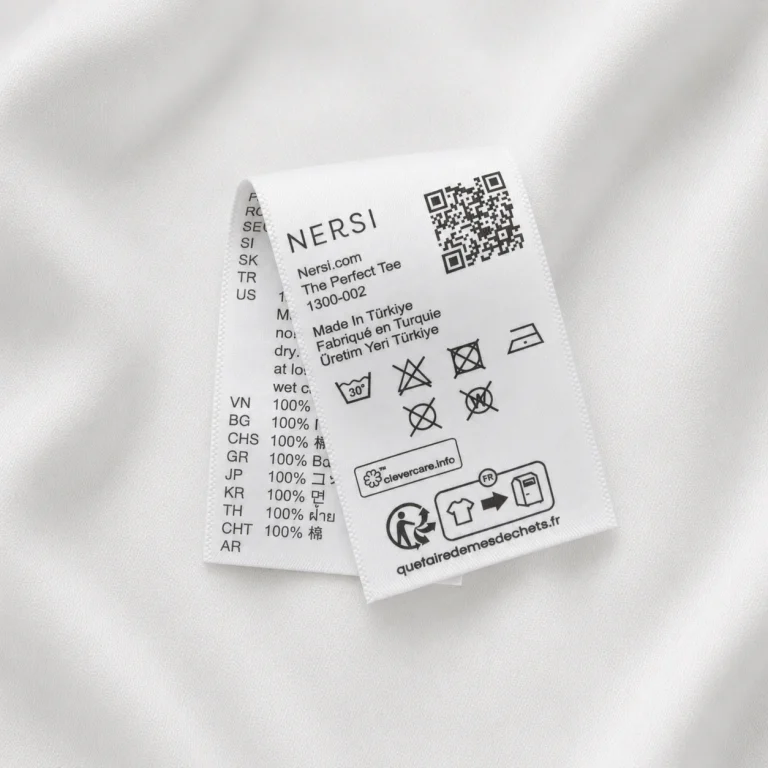
Today, both aesthetic and functional solutions are at the forefront of the textile industry. At this point, silicone labels have become an essential element that adds value to products by combining durability with elegance. Frequently used in sportswear, outerwear, and children’s clothing, silicone labels are indispensable for brands looking to stand out in the textile world.
What Is a Silicone Label?
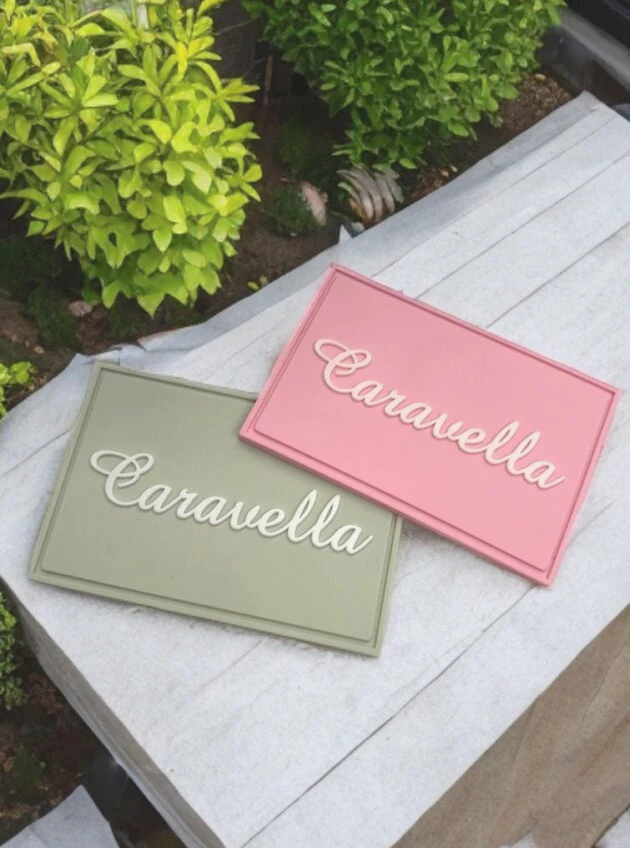
A silicone label is a type of textile accessory made from flexible and soft silicone material. It can be either flat or three-dimensional, and often features logos, brand names, or various graphic designs. Used as an eco-friendly alternative to PVC labels, silicone labels are also non-toxic and safe for both people and the environment.

Advantages of Silicone Labels in Textiles

1. Durability and Longevity
Silicone labels are highly resistant to heat, water, sunlight, and chemicals. Thanks to their robust nature, they are ideal for long-term use and do not deform after repeated washes. This is why they are commonly used in outerwear and activewear.
2. Aesthetic Appeal and Brand Value
Silicone labels give garments a modern and premium look. The ability to design in 3D makes brand logos or slogans stand out more clearly. This positively influences consumer perception and increases the market value of the product.
3. Eco-Friendly Option
Modern silicone labels are made from environmentally friendly materials. Their recyclable nature supports sustainable production practices, helping both brands and consumers fulfill their environmental responsibilities.
4. Flexible Applications
Silicone labels can be used on a wide variety of textile products, including t-shirts, jackets, baby clothes, hats, shoes, and bags. Their lightweight and flexible structure allows them to be sewn, glued, or heat-transferred onto garments with ease.
What to Consider When Choosing Silicone Labels
-
Quality: Low-quality silicone may crack or discolor over time.
-
Application Method: Choose the appropriate method (sewing, heat transfer, adhesive) based on the product.
-
Brand Compatibility: The label design should match the overall aesthetic of the product.
-
Non-Toxic Materials: Especially for baby and children’s clothing, the label should be free from harmful chemicals.
Conclusion: Make a Difference with Silicone Labels
For companies in the textile industry looking to enhance brand awareness and showcase product quality, silicone labels offer both visual and functional benefits. Thanks to their durability, stylish design, and eco-friendly features, silicone labels have become an integral part of modern textile branding.
When evaluating silicone labels in textiles, appearance should be considered together with product compatibility, use conditions and production details. Careful planning reduces unnecessary revisions and keeps the brand language consistent.
Planning the Right silicone labels in textiles Solution
Begin by defining the product dimensions, application area, audience and message. Design decisions should reflect real use conditions as well as visual preferences.
A balanced combination of color, type size, material and application improves readability. A production review prevents small details from becoming larger issues in a full run.
Quality and Application Details
Quality should not be judged only by the first appearance. Transport, storage, contact, washing or daily use conditions should be considered according to the product.
Dimensions, alignment, color balance and readability should be checked on a sample or digital proof. A clear approval process improves communication between the brand and manufacturer.
What Should You Compare Before Choosing?
When selecting silicone labels in textiles, compare material, application, quantity, delivery schedule and expected service life instead of using price as the only criterion.
Explore related Yenel Label options on our product and category page, and read independent guidance about responsible production and standards from this industry resource.