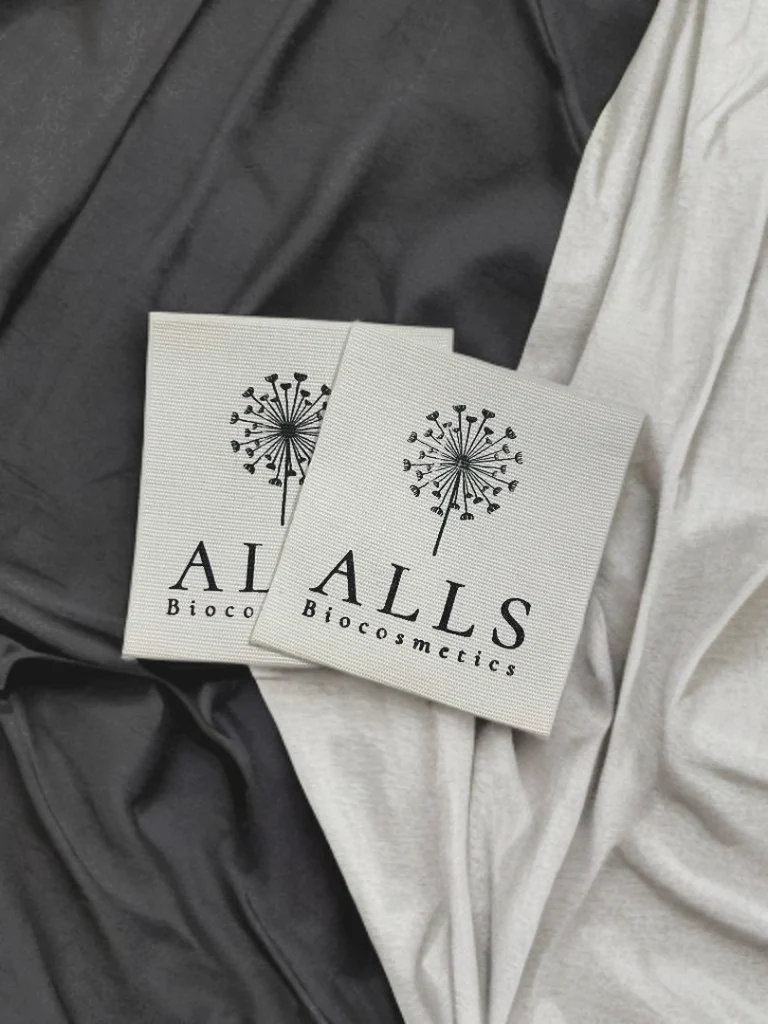
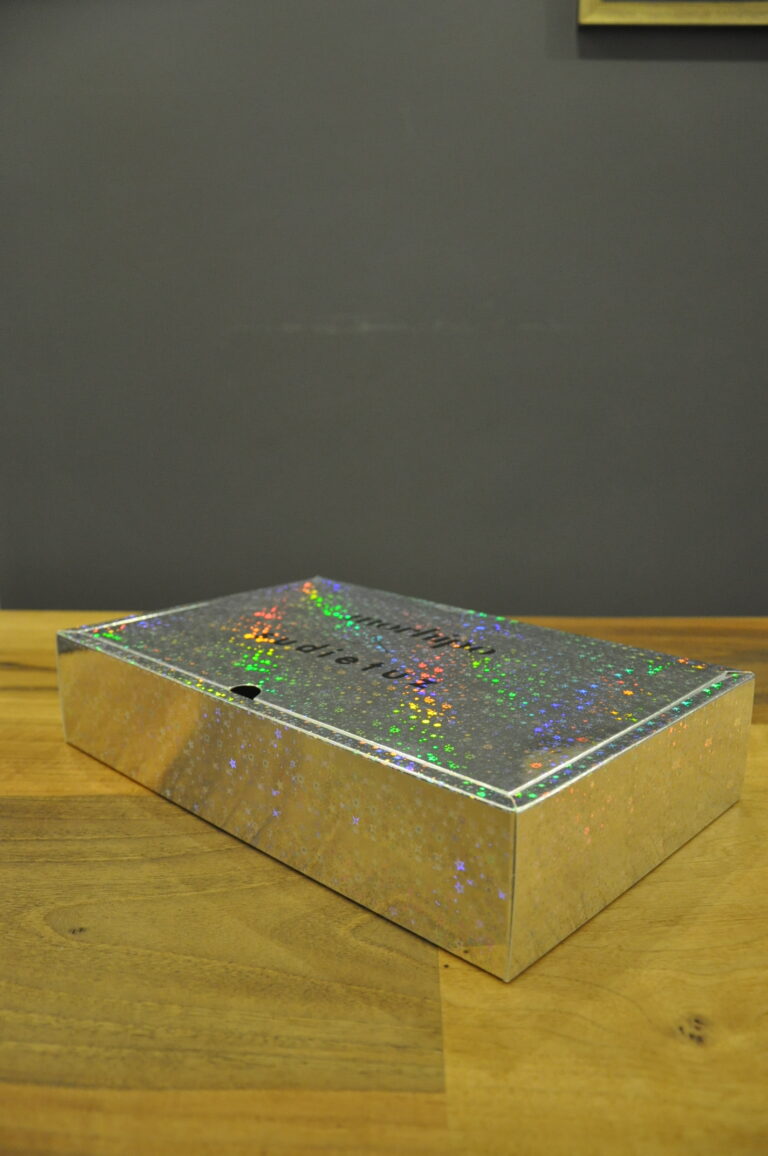
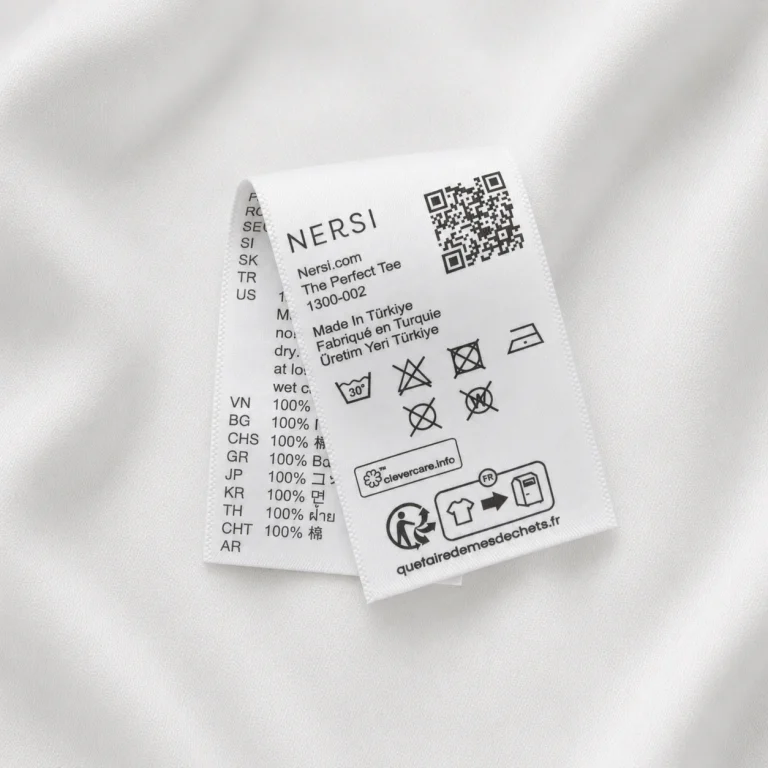
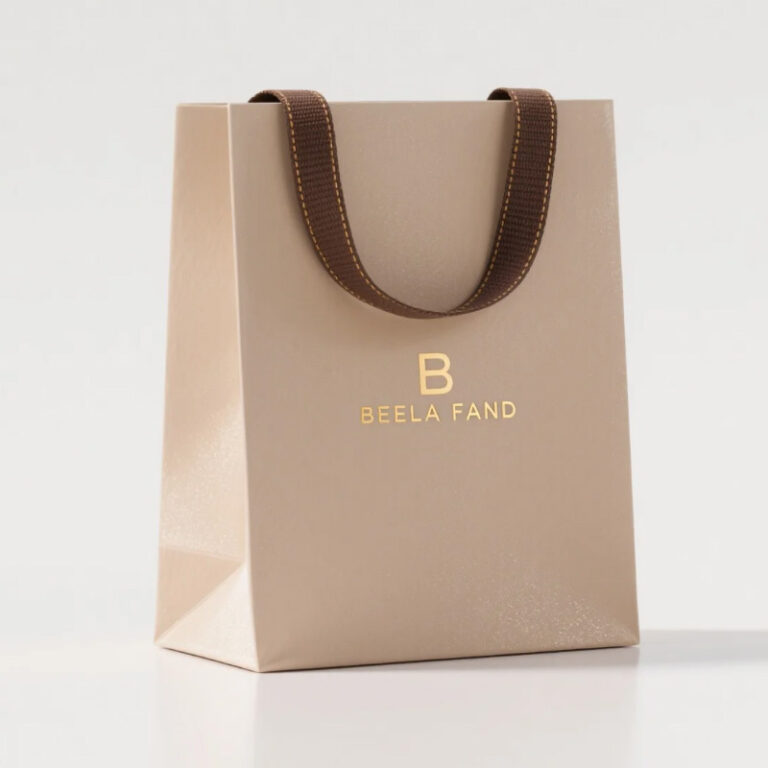
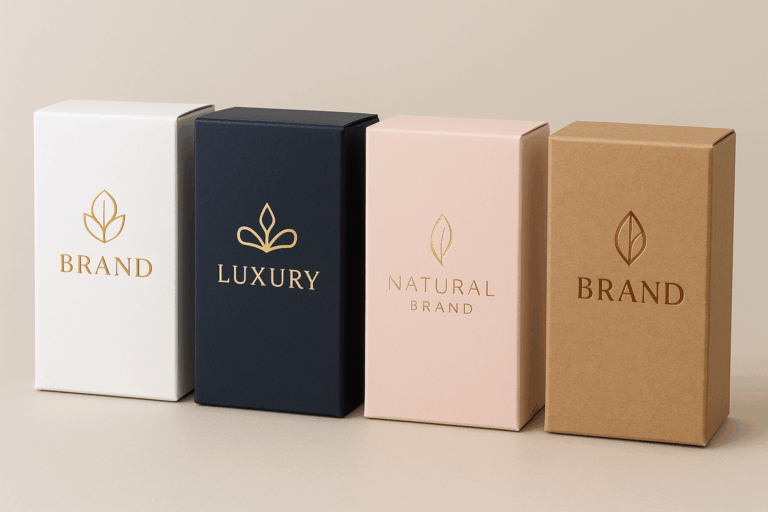
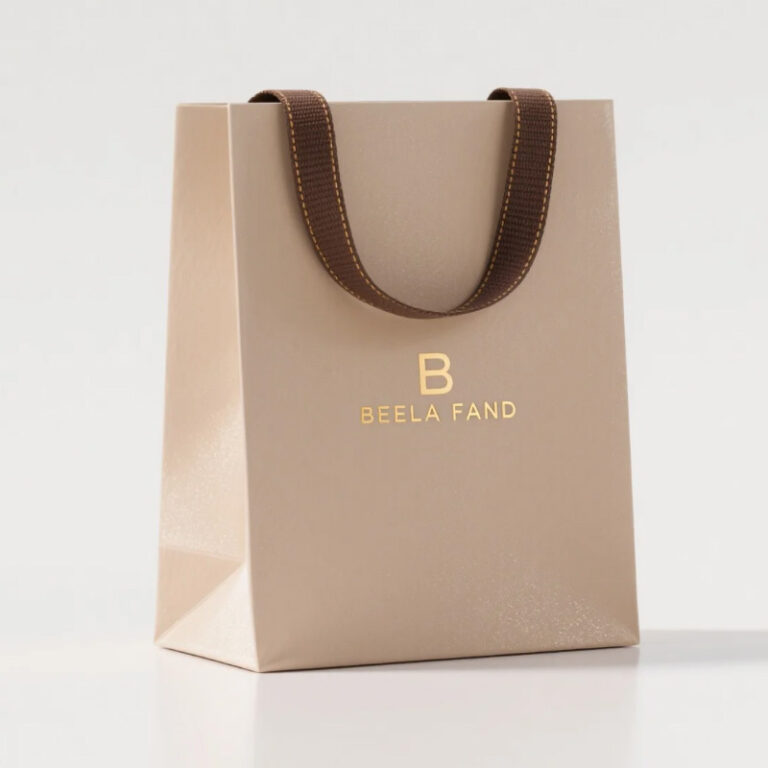
In today’s highly competitive market, brands need effective methods to capture attention and communicate their identity clearly. At this point, printed labels stand out as strategic tools that, despite their small size, carry significant marketing power. Labels, which complete the visual appearance of product packaging, play a crucial role in shaping consumer purchasing decisions.
1. What Is a Printed Label?
A printed label is a specially designed labeling solution that carries a product’s brand identity, content details, usage instructions, and visual messages. It can be produced using various materials and customized to meet the needs of any industry.


2. The Power of Printed Labels in Marketing
a. Strengthens Brand Identity
A high-quality label directly reflects the character of a brand. Visual elements such as color harmony, logo design, and typography make the product stand out on the shelves. A professional-looking label is one of the first steps in building a strong brand perception.

b. Builds Consumer Trust
Consumers trust labels that present clear and straightforward information. Details such as ingredients, weight, and production dates create a sense of reliability toward the brand, which directly influences purchasing behavior.
c. Boosts Sales
Visually appealing and target-audience-focused printed labels help products stand out among competitors. In markets with intense competition, an effective label design significantly increases the likelihood of the product being chosen.
d. Enables Storytelling
Labels provide the most compact way of conveying a brand’s values and product story. A minimal yet impactful design helps consumers connect with the product, increasing brand loyalty.
e. Enhances Professional Appearance
A printed label that complements the packaging highlights the product’s quality. An aesthetically pleasing look elevates the perceived value of the product and reinforces the brand’s professionalism.
3. Advantages of Using Printed Labels
-
A cost-effective marketing tool
-
Offers tailored solutions for every industry
-
Ideal for presenting product variety in an organized and understandable way
-
Contributes to long-term brand awareness
Conclusion: A Small Detail with a Big Impact
A printed label is not just a product identifier; it is the face of the brand, its identity, and an essential part of its marketing strategy. A well-designed label increases sales, strengthens brand perception, and helps consumers connect with the product. For this reason, businesses should treat label design as a professional marketing investment.
When evaluating printed labels, appearance should be considered together with product compatibility, use conditions and production details. Careful planning reduces unnecessary revisions and keeps the brand language consistent.
Planning the Right printed labels Solution
Begin by defining the product dimensions, application area, audience and message. Design decisions should reflect real use conditions as well as visual preferences.
A balanced combination of color, type size, material and application improves readability. A production review prevents small details from becoming larger issues in a full run.
Quality and Application Details
Quality should not be judged only by the first appearance. Transport, storage, contact, washing or daily use conditions should be considered according to the product.
Dimensions, alignment, color balance and readability should be checked on a sample or digital proof. A clear approval process improves communication between the brand and manufacturer.
What Should You Compare Before Choosing?
When selecting printed labels, compare material, application, quantity, delivery schedule and expected service life instead of using price as the only criterion.
Explore related Yenel Label options on our product and category page, and read independent guidance about responsible production and standards from this industry resource.